
Amy Gottschling
Vice President of Science, Technology and Commercial Oversight at Atomic Energy of Canada Limited (AECL)
Amy Gottschling is currently the Vice President of Science, Technology and Commercial Oversight at Atomic Energy of Canada Limited (AECL). Amy is responsible for overseeing the performance of Canadian Nuclear Laboratories’ (CNL) nuclear science and technology projects and programs for the Government of Canada, as well as commercial science and technology projects for third-party customers. Amy plays a key and fundamental role in executing the long-term strategy for AECL and driving nuclear opportunity for Canada.
Throughout her career, Amy has followed her passion for advancing applied scientific knowledge to advance technologies and solve challenges within the nuclear industry. Amy Gottschling started as a corrosion scientist, working for many years in an R&D capacity prior to moving into leadership roles. During her years in private industry and growing as a leader, she gained a strong understanding of how to launch and lead new businesses and projects by implementing corporate, department, or technical strategies targeted around existing capabilities and expertise.
Amy is a leader who believes in advancing Canada's profile in the energy sector both nationally and internationally and ensuring research and innovation results in real-world solutions to solve our biggest challenges in clean energy, health, environment, and safety and security.
Amy Gottschling holds a BSc and PhD in chemistry and nuclear from Western University in London, Ontario.

R. J. Hawryluk
Historical Overview of Progress in Nuclear Fusion Research, Princeton Plasma Physics Laboratory (retired)
Dr. Richard (Rich) Hawryluk ’71 retired from the Department of Energy Office of Science after retiring from his position as Associate Director for Fusion at the Princeton Plasma Physics Laboratory. Hawryluk came to the Princeton Plasma Physics Lab in 1974 after receiving a Ph.D. in physics from MIT. He headed the Tokamak Fusion Test Reactor at PPPL, then the largest magnetic confinement fusion facility in the United States, from 1991 to 1997 and led the deuterium-tritium experiments. Hawryluk oversaw research and technical operations as Deputy Director of the Laboratory for 11 years from 1997 to 2008. He then spent several years working on research and management topics associated with ITER, as head of the ITER and Tokamaks Department from 2009 to 2011 and from 2013 to 2016, and as Deputy Director General for the Administration Department of ITER from 2011 to 2013. Among other responsibilities, he was Interim Deputy Director for Operations from October 2018 to January 2019 and Interim Director of the Princeton Plasma Physics Laboratory from August 2017 to July 2018.
He has received numerous awards during his career including an American Physical Society Prize for Excellence in Plasma Physics, U.S. Department of Energy Distinguished Associate Award, a Kaul Foundation Prize for Excellence in Plasma Physics Research and Technology, and a Fusion Power Associates Leadership Award. He is fellow of the American Association for the Advancement of Science since 2008 and of the American Physical Society since 1986. He has chaired or participated in many national and international reviews and advisory panels and most recently the National Academy of Science, Engineering and Medicine Committee on the Key Goals and Innovations Needed for a U.S. Fusion Pilot Plant.
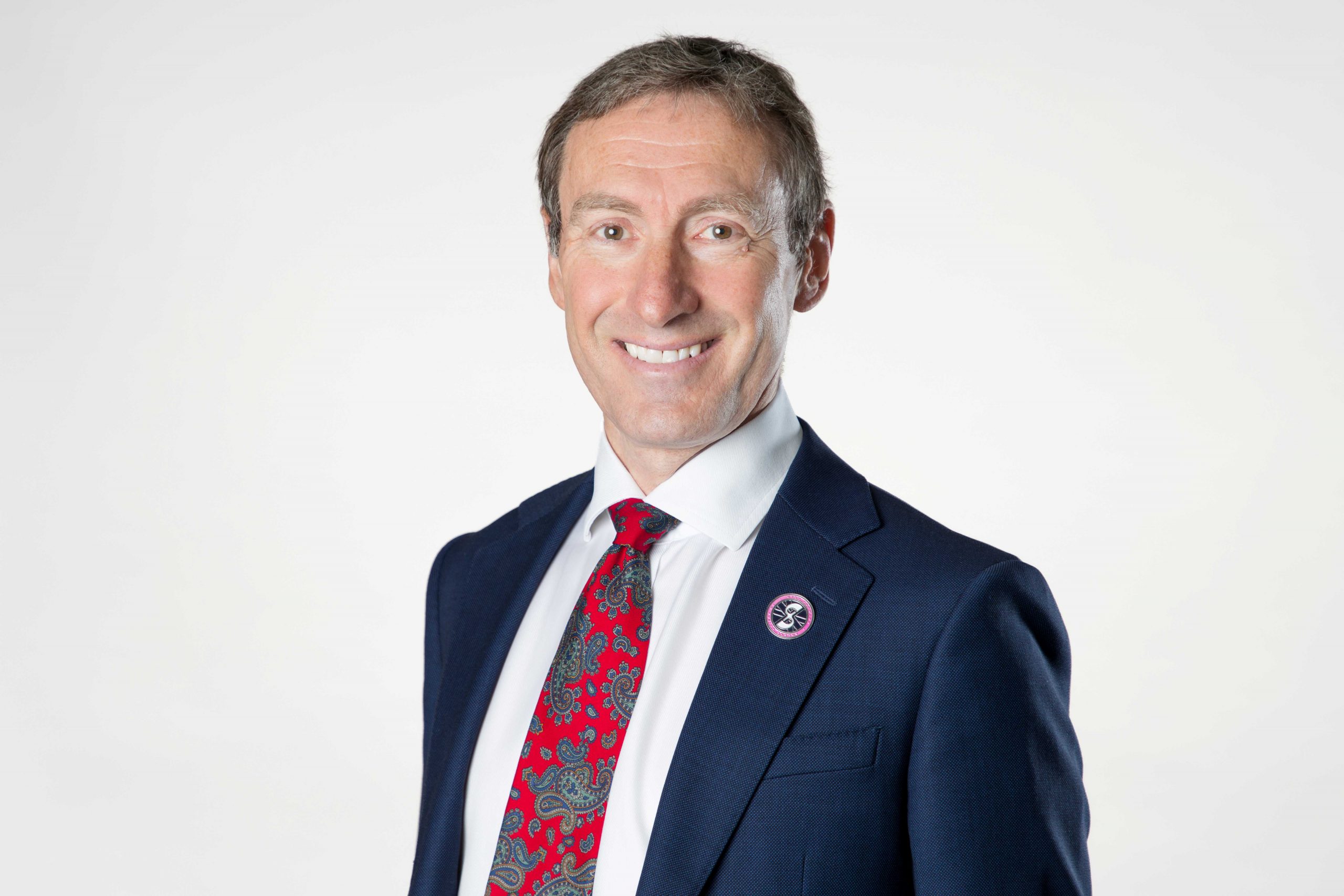
Paul Methven
Chief Executive Officer, UK Fusion Energy Ltd.
Born on the Isle of Skye, Paul joined the Royal Navy in 1988. A nuclear submarine engineer, his early career blended operational submarine tours and shore-based roles in engineering support and procurement. His later career focussed on complex programme leadership. He was the UK MOD Programme Director for the Type 26 Global Combat Ship and Offshore Patrol Vessel projects, led work on the National Shipbuilding Strategy and, as Director Submarines Acquisition in the rank of Rear Admiral, was responsible for the Astute Class submarine programme, the SSN Replacement design programme (now AUKUS) and the Dreadnought programme. He then switched to fusion as Director of STEP at UKAEA, taking STEP from initial formation to its current state and designing and launching UK Fusion Energy as the delivery body for STEP and a future commercial fusion plant integrator.
Paul was made a Companion of the most honourable Order of the Bath in the 2019 New Year’s Honours, is a keen sailor, average skier, reasonable bagpipe player and hopefully reasonable husband and father.
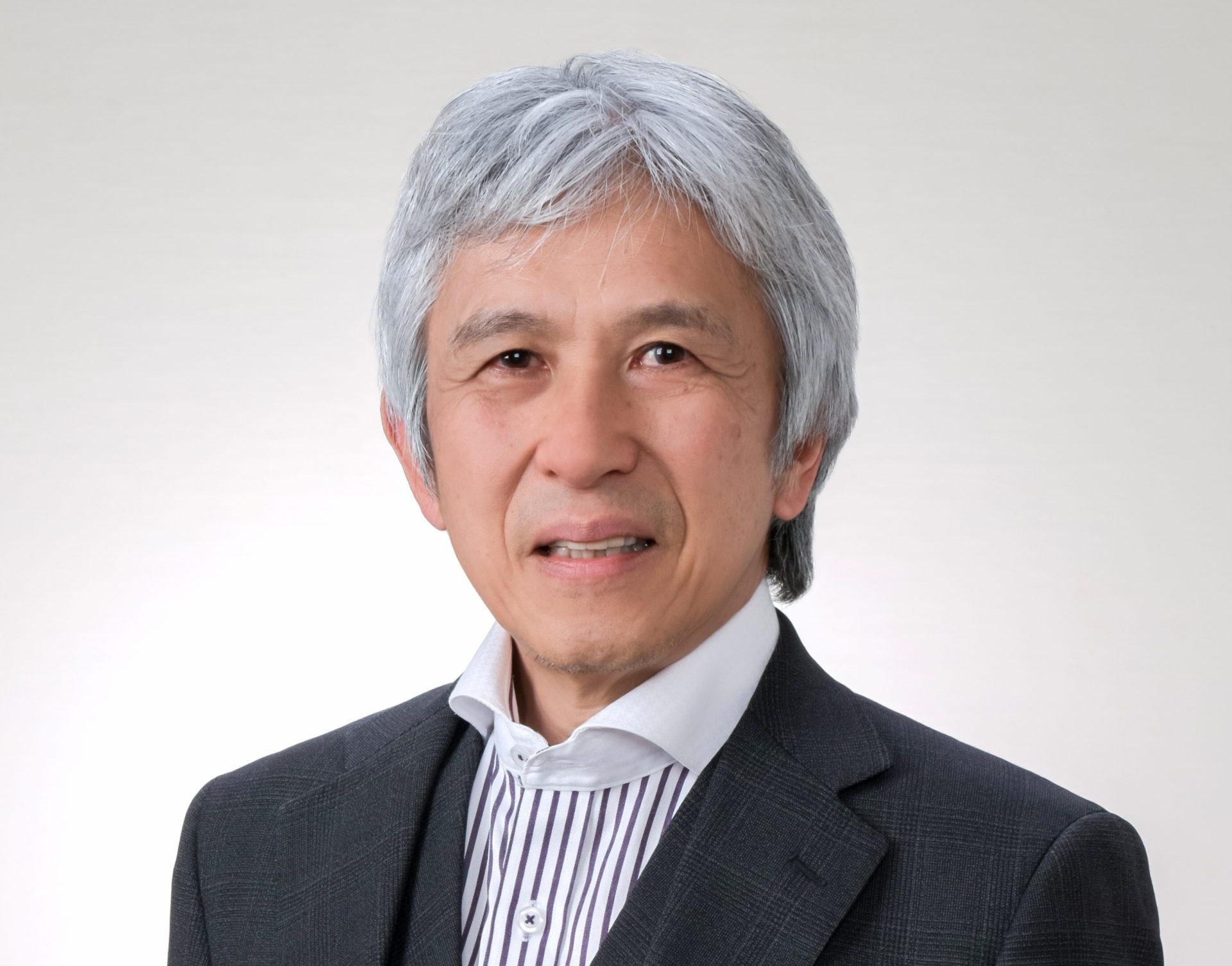
Satoshi Konishi
CEO, Kyoto Fusioneering Ltd.
Prof. Satoshi Konishi co-founded Kyoto Fusioneering in 2019. With a Ph.D. in Engineering from the University of Tokyo, he brings four decades of expertise in R&D, specializing in fusion technology, advanced nuclear system design, and tritium engineering, including significant contributions to the ITER project. He holds dual roles as Chief Fusioneer, overseeing technology development, strategic planning, and execution, and as CEO, a position he has held since 2023.
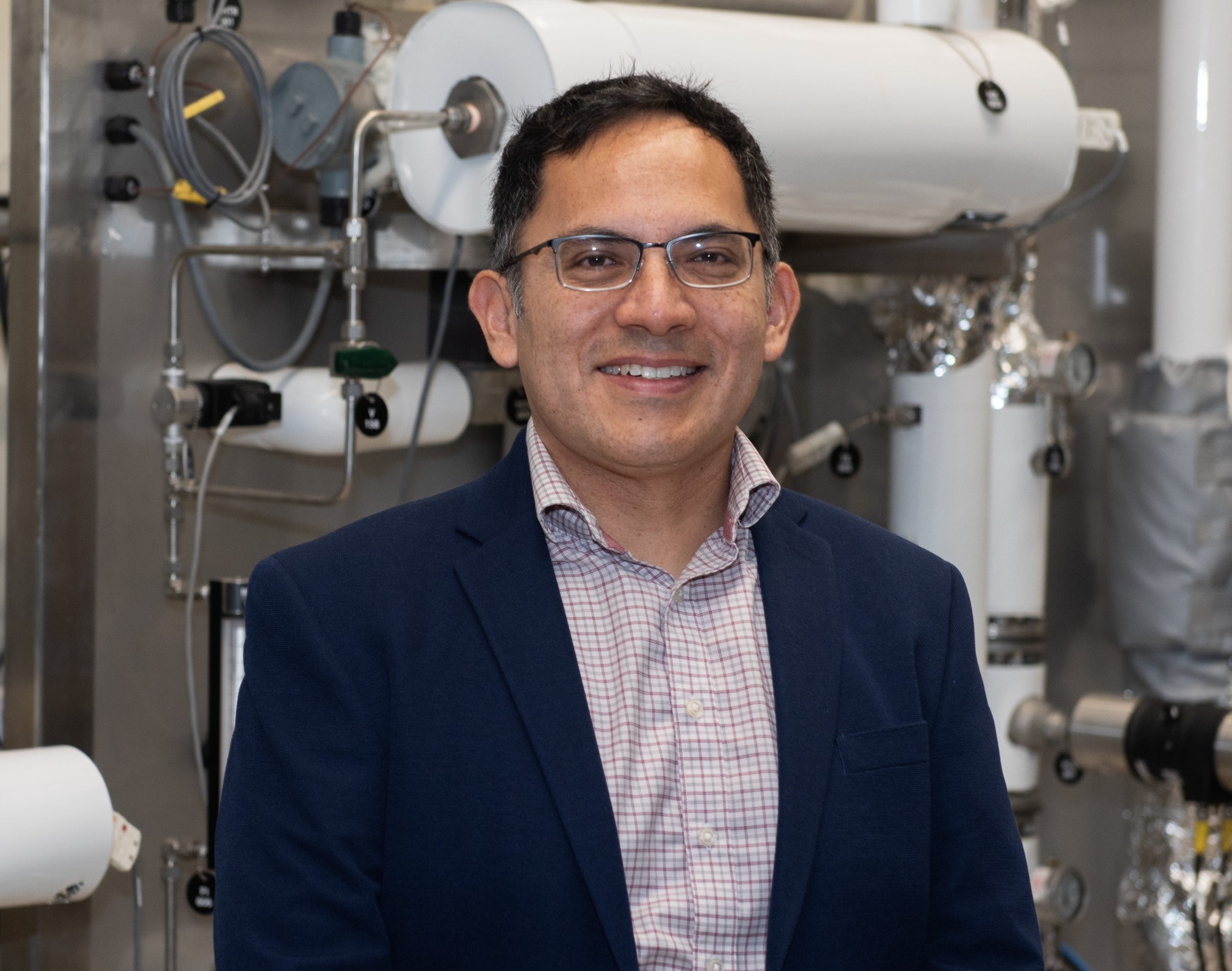
Ian Castillo
Co-Chief Executive Officer, Fusion Fuel Cycles Inc.
Ian Castillo is the Co-CEO of Fusion Fuel Cycles Inc., a joint venture of Canadian Nuclear Laboratories and Kyoto Fusioneering. A leading tritium expert, he oversees teams across three continents and is directing the design and construction of UNITY-2 in Chalk River, the world’s first fully integrated fusion fuel cycle. Previously, Ian led CNL’s Hydrogen and Tritium Directorate, advancing global partnerships and major R&D programs. With nearly 20 years at CNL, he has managed large multidisciplinary teams and helped shape Canada’s fusion strategy as architect of Fusion Energy for Canada. Ian holds a Ph.D. in Chemical Engineering from McGill University.
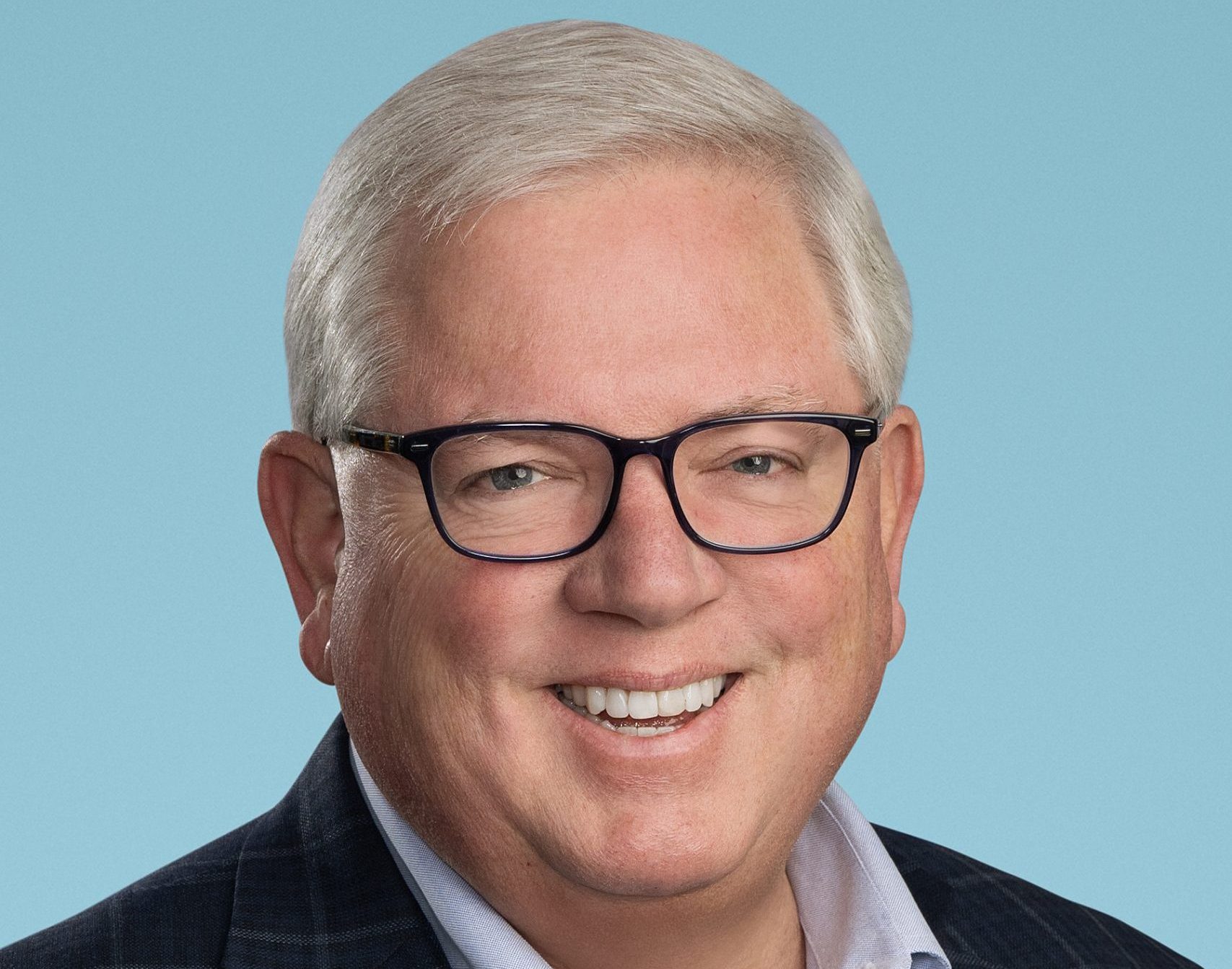
Jeffrey S. Merrifield
Partner, Pillsbury Winthrop Shaw Pittman
The Honorable Jeffrey S. Merrifield, a former presidential appointee to the Nuclear Regulatory Commission, is leader of Pillsbury’s Nuclear Energy Team and co-Leader of the firm’s Energy Transition practice. He is widely recognized as an international thought leader on nuclear power and the deployment of complex energy systems for the avoidance of carbon generation.
During his three decades of involvement in the energy industry, Jeff has developed wide-ranging relationships throughout the international nuclear community that allow him to identify strategic and legal solutions for major energy and environmental matters. He is considered a leader in advanced nuclear and fusion deployment and has assisted large and developing nuclear utilities, suppliers and governments in effectively meeting their regulatory requirements and strategic objectives regarding the deployment of complex energy systems. Jeff’s well-received corporate executive experience, as well as media and public speaking capabilities, also provide a significant resource for the advocacy of common-sense and cost-effective solutions.

Muhammad Mahad
New Technologies and Innovation, Ontario Power Generation
Muhammad Mahad is Manager, Strategy and Business Development (New Technologies and Innovation) at Ontario Power Generation (OPG), where he supports strategic initiatives in fusion energy, tritium, and advanced nuclear technologies. His work focuses on helping build practical pathways for fusion development in Canada, including domestic ecosystem development, partnership formation, and alignment across public and private stakeholders. He has played a leading role in advancing the Centre for Fusion Energy from its earliest stages, helping shape the strategy, partnerships, and collaboration model needed to support a Canadian fusion ecosystem and enable stronger international partnerships for Canada in this field.
At OPG, Muhammad also provides strategic and technical leadership on fusion and tritium matters, including engagement with industry, government, and research organizations on long-term clean energy opportunities. In parallel, he contributes to OPG’s broader advanced technology work, including strategy development, innovation planning, and advanced reactor R&D oversight. Earlier in his career, he held engineering roles across reactor physics, plant design, systems engineering, and procurement, giving him a broad grounding in nuclear operations and project delivery. He holds a Master’s degree in Nuclear Engineering.
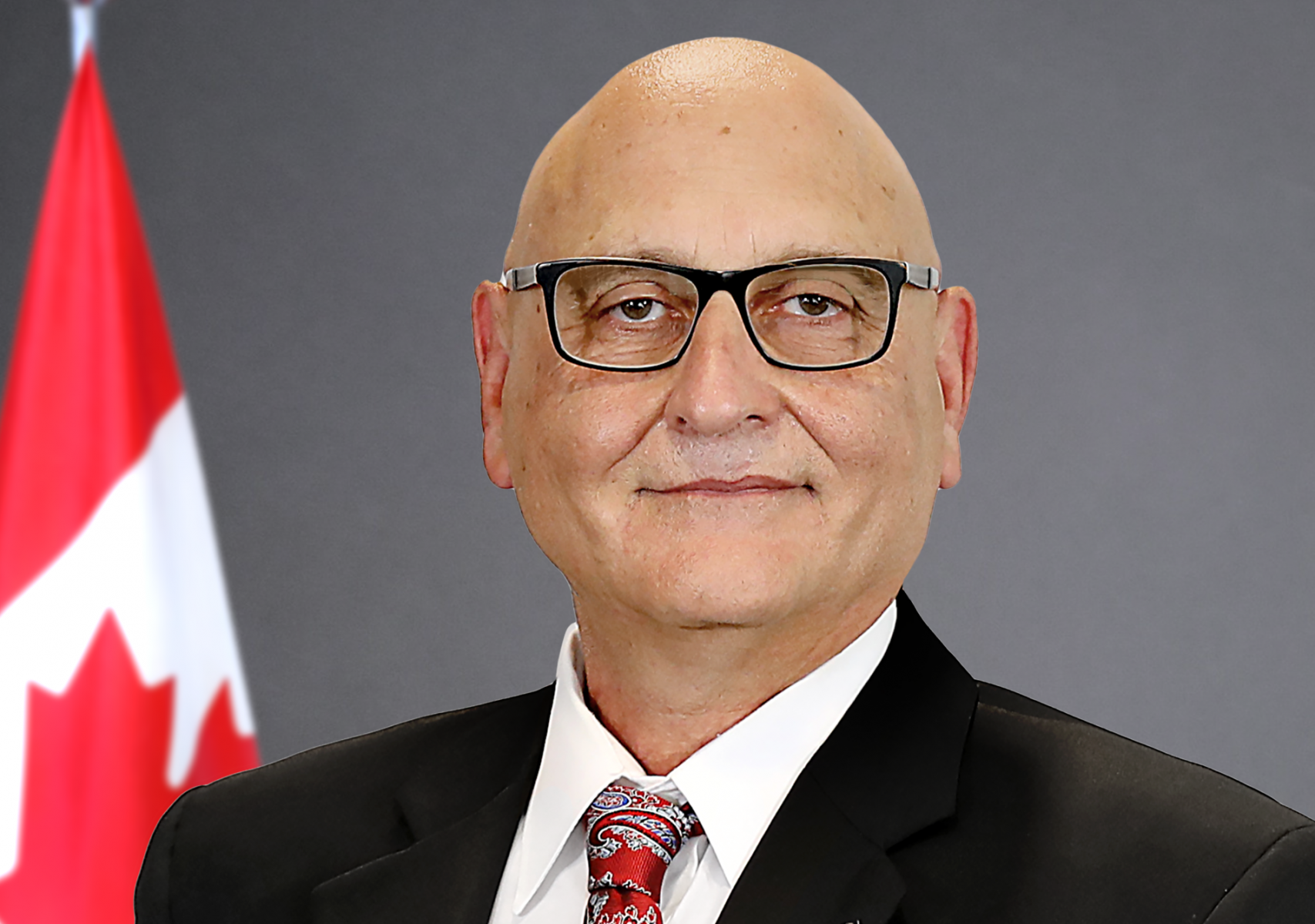
Ramzi Jammal
Executive Vice-President and Chief Regulatory Operations Officer, Canadian Nuclear Safety Commission
Ramzi Jammal brings over 35 years of experience in the nuclear sector, having served with the Canadian Nuclear Safety Commission(CNSC) since 1998. His career blends executive leadership with scientific expertise, representing Canada’s nuclear regulatory authority both domestically and abroad. At the CNSC, he has held several senior positions, including as acting Chief Executive Officer from October 2023 to August 2024 and currently as Executive Vice-President and Chief Regulatory Operations Officer. His leadership reflects a deep commitment to advancing nuclear safety and regulatory excellence.
In 2024, Ramzi was elected by consensus as President of the Eighth Review Meeting of the Contracting Parties to the Joint Convention on the Safety of Spent Fuel Management and on the Safety of Radioactive Waste Management, becoming the first Canadian to hold this position. He has also served as President of the Convention on Nuclear Safety (2016–18) and was appointed Chair of the IAEA Regulatory Cooperation Forum (2022–28), fostering international collaboration on regulatory practices. Recognized with the prestigious 2021 Ian McRae award for his contributions to nuclear energy in Canada, Ramzi’s international achievements include co-chairing theFukushima Daiichi Accident Report (2015) and shaping global safety standards through the IAEA Commission on Safety Standards.
Francisco Castejón
Commissioner, Nuclear Safety Council of Spain
Francisco Castejón was born in 1961 in Munébrega, a small Spanish village, and he has a PhD in Plasma Physics by the University Complutense of Madrid. He has been the head of the Fusion Theory Unit of the Spanish National Fusion Laboratory and the Leader of the European Stellarator Theory of Eurofusion for 10 years. He has worked as a fusion researcher from 1986 until 2019 and he has published about 300 peer reviewed papers and supervised 14 thesis on fusion research. He has leaded about 15 International funded research projects and he has belonged to several international committees of experts to steer the European Fusion Research as well as the Stellarator programs.
In 2019 he was appointed as a Commissioner of the Spanish Nuclear Safety Council, the Spanish nuclear regulator. He is in charge of several international committees of nuclear safety and radiation protection.
He has been appointed as the responsible of Fusion Regulation at CSN and as the chair of the Fusion Licensing Area inside the Spanish Fusion Strategy. He is working in fusion regulation in the ENSREG (the European Union Regulators Group) and in the task for producing a fusion Safety Standard in the IAEA.
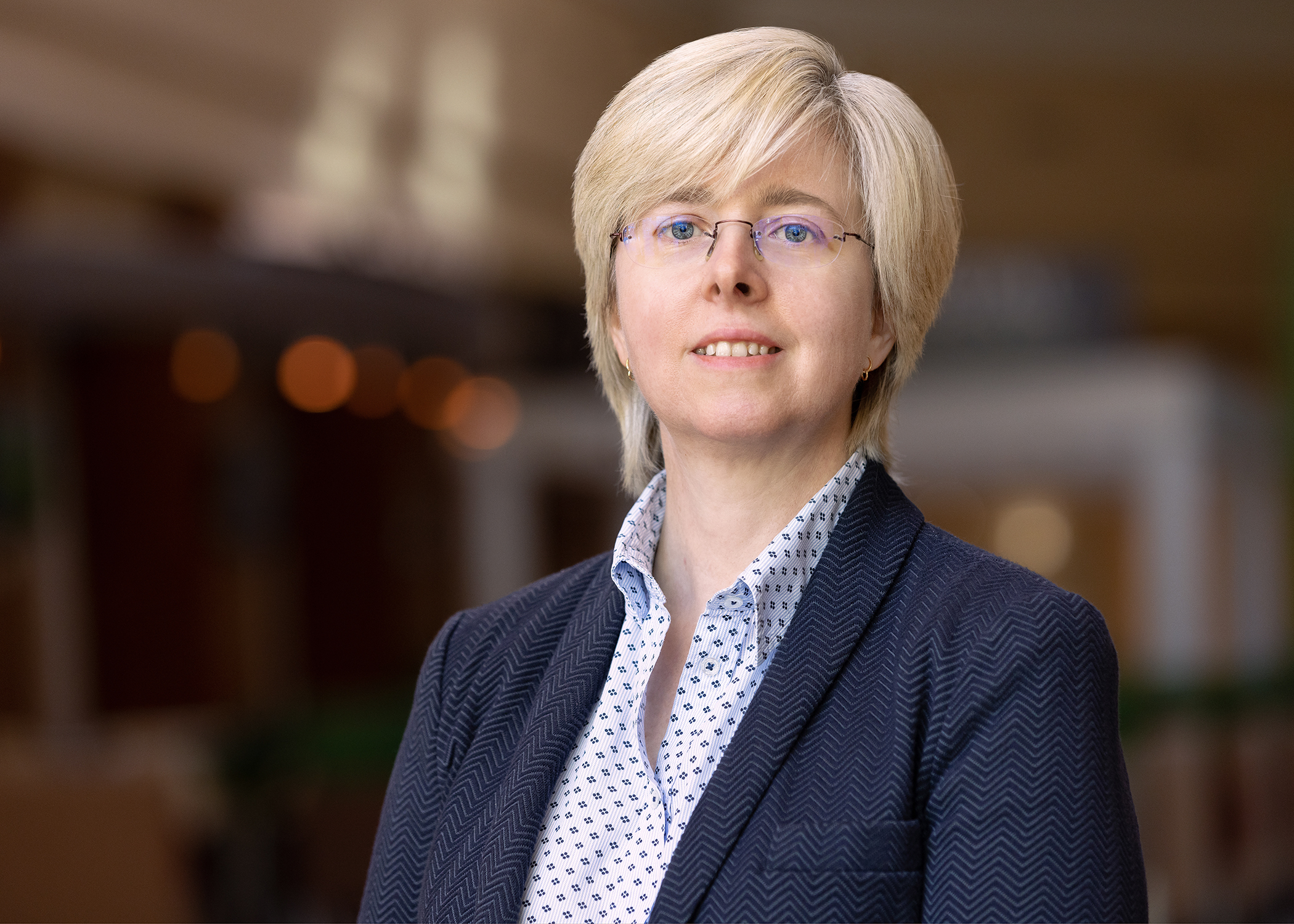
Sehila Gonzalez
Global Director, Fusion Energy, CATF
Sehila M. Gonzalez de Vicente holds a PhD in Materials Physics from the Universidad Complutense de Madrid (Spain) and an MBA from the EOI Business School. She has 20 years of experience in fusion technologies, policy, and economic aspects. Previously, she worked at the International Atomic Energy Agency as a Nuclear Fusion Physicist in charge of fusion activities for more than eight years. Before joining the IAEA, she was the responsible officer of the Fusion Materials Development Programme at EFDA. In addition, she is vice chair of the Karlsruhe Institute of Technology (KIT) Scientific Advisory Board in the research field of Energy, a member of the UK’s Fusion Technical Advisory Group, and a member of the IFMIF-DONES España Technical Advisory Committee. She is also the Chair of the Women in Fusion Group.
She is the author of more than 40 peer-reviewed publications in the field and a contributing author to the following books: Fundamentals of Magnetic Fusion Technology and Considerations for Commercialization Strategies for Fusion Energy.

Jennifer Ganten
Chief Global Affairs Officer, Commonwealth Fusion Systems
As Chief Global Affairs Officer of Commonwealth Fusion Systems, Jennifer Ganten leads a cross-functional team of government affairs, public affairs and open innovation to support the rapid growth of the commercial fusion industry.
Since joining the company in 2021, Jennifer has overseen policy, regulation, and partnerships across international, federal, state and local governments to increase global support for this credible solution that addresses governments energy demand, energy security and climate change objectives. Under her leadership, the Open Innovation team has partnered with more than 50 private and government groups globally on joint research and development projects.
Ganten brings decades of experience in energy policy, advocacy, partnership building, and global market expansion to Commonwealth Fusion Systems. Previously, she served as the Vice President, Federal Affairs & International Market Expansion at bluebird bio. Prior to that, she spent nearly 20 years with Chevron, leading the development and execution of corporate strategy, global policy and government advocacy. Her career included assignments in Europe, Africa, Asia and Latin America, in addition to her executive leadership roles in Washington, DC and at the corporate headquarters.
Ganten received a B.Sc. in International Affairs from Drexel University, an International MBA from the University of South Carolina, and a Master’s Degree in Public Administration (MC/MPA) from the Harvard Kennedy School.
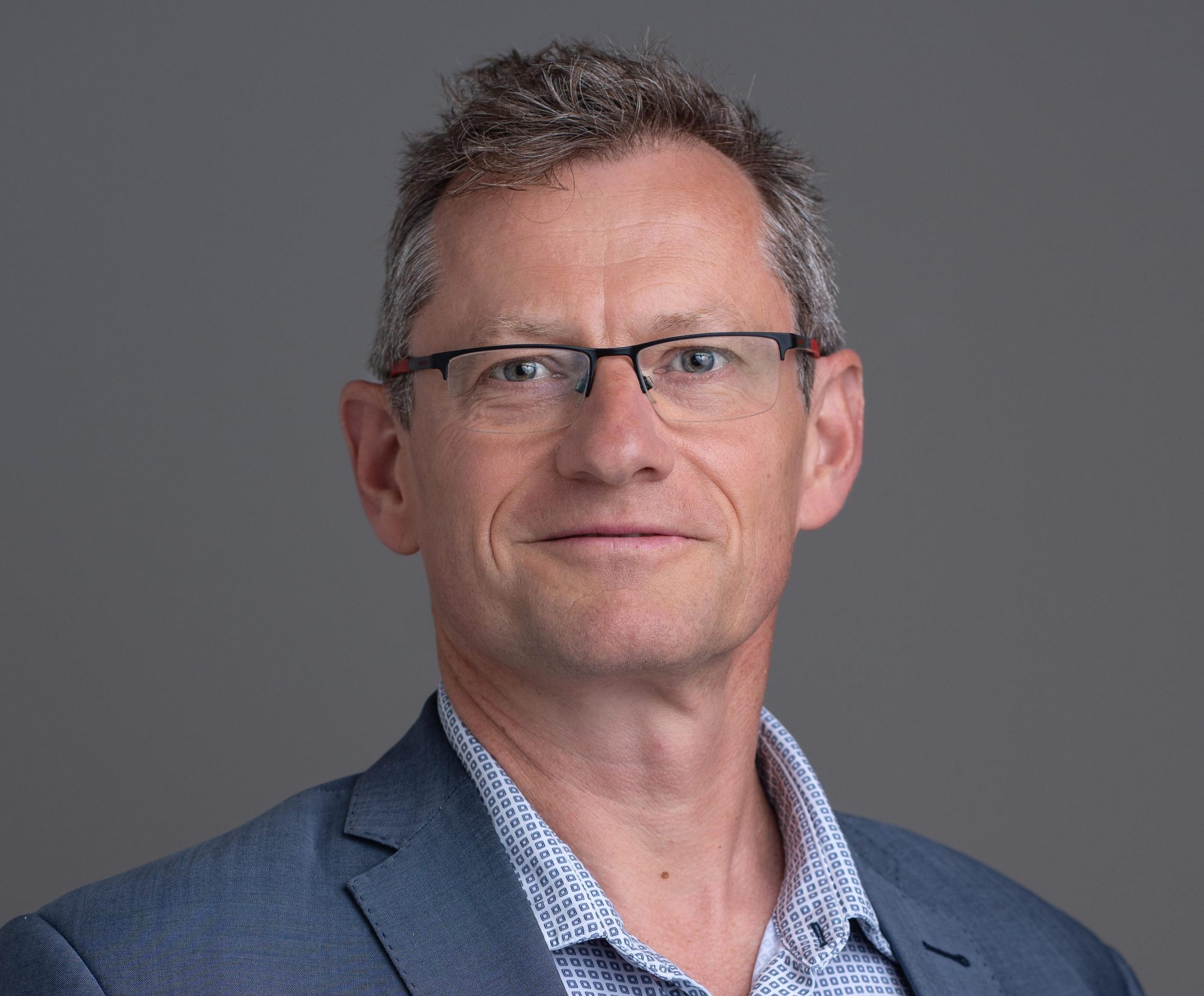
Thomas Sunn Pedersen
Chief Technology Officer, Type One Energy Group
Thomas Sunn Pedersen is Chief Technology Officer at Type One Energy, where he leads the company's technology- and intellectual property strategy toward the commercialization of stellarator fusion energy. He brings three decades of experience in fusion technology, plasma physics, and stellarator design and operation.
Prior to joining Type One Energy, Thomas was a Professor of Physics and Director of Stellarator Edge and Divertor Physics at the Max Planck Institute for Plasma Physics in Greifswald, Germany, the home of the world's most advanced stellarator to date, Wendelstein 7-X. In the decade before that, he designed, built and operated the CNT stellarator at Columbia University in New York City, while serving on the faculty of the Department of Applied Physics and Applied Mathematics, where he maintains an adjunct professorship. He is a Fellow of the American Physical Society, and a recipient of a US-DOE Early Career Award, an NSF Career Award, and an ERC Advanced Grant.

Dr. Charles (Spencer) Pitcher
Co-founder, Chief Executive Officer, Stellarex Energy
Dr. Charles Spencer Pitcher brings deep expertise in fusion science and technology, and management of large-scale fusion project delivery. Before establishing Stellarex, he was Fusion Technology Principal Engineer at the International Thermonuclear Experimental Reactor (ITER) in France. Dr. Pitcher has held scientific and engineering roles at the United Kingdom Atomic Energy Authority, the Max Planck Institute for Plasma Physics, the MIT Plasma Science and Fusion Center, and the Princeton Plasma Physics Laboratory, where he contributed to the first production of fusion power using deuterium and tritium on the Tokamak Fusion Test Reactor (TFTR). He has authored or co-authored over 200 research publications and collaborated on major tokamak and stellarator programs across Europe and North America.
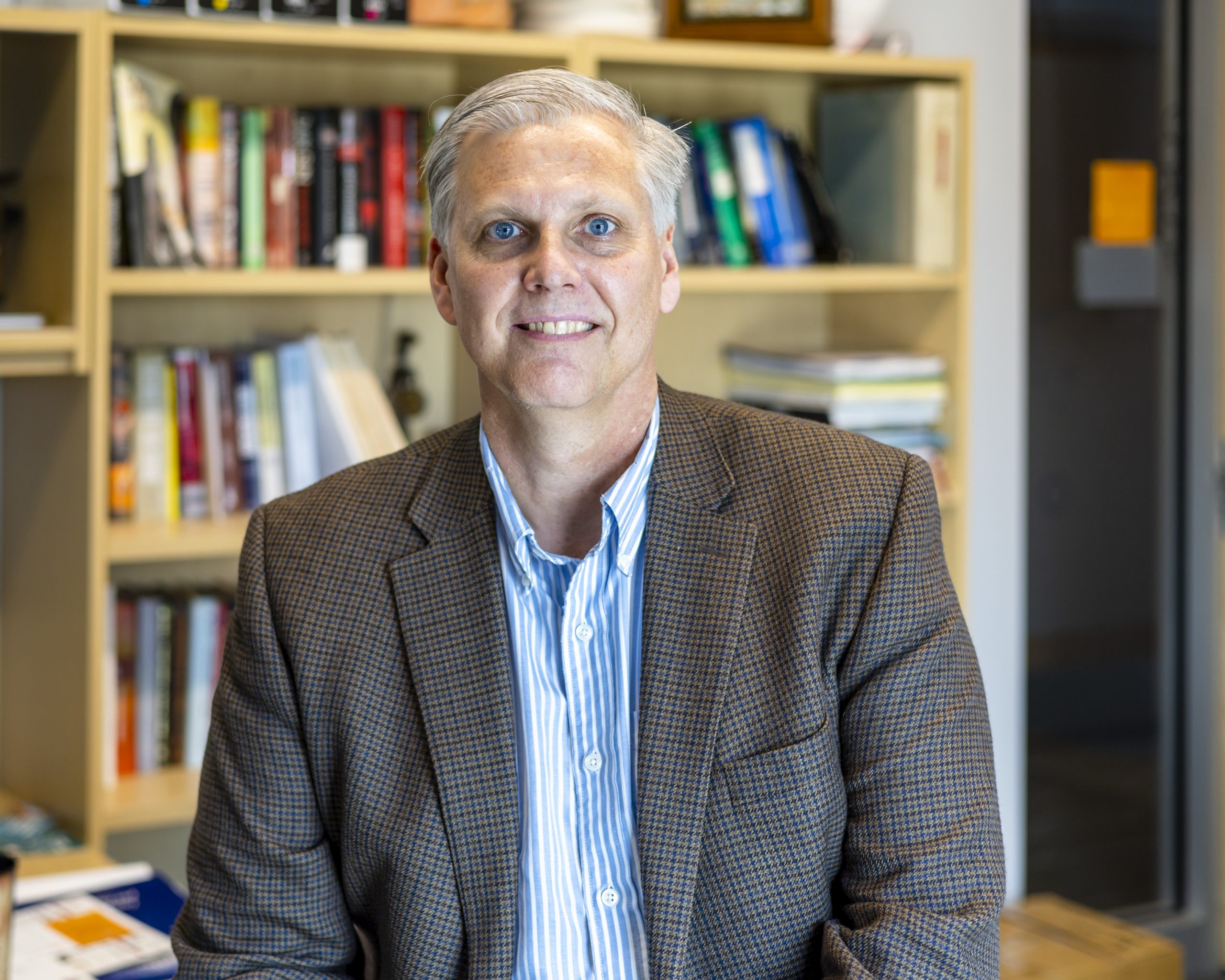
Brian Wirth
TVA Department Head and UTK-ORNL Governor’s Chair Professor, Department of Nuclear Engineering University of Tennessee, Knoxville
Brian Wirth is the Tennessee Valley Authority (TVA) Department Head and UT-ORNL Governor’s
Chair Professor of Computational Nuclear Engineering in the Department of Nuclear Engineering at
the University of Tennessee, Knoxville and Oak Ridge National Laboratory. Professor Wirth’s
research investigates the performance of nuclear fuels, structural and blanket materials, and plasma
facing components in nuclear fission and fusion environments, utilizing computational materials
modeling complemented by experimental investigation. Brian received a BS in nuclear engineering
from the Georgia Institute of Technology in 1992 and a PhD in mechanical engineering from the
University of California, Santa Barbara in 1998. He moved to the University of Tennessee in 2010
from the University of California, Berkeley. He has received many awards, including the 2014 U.S.
Department of Energy Ernest O. Lawrence Award in Energy Science and Innovation, the 2016
Mishima Award from the American Nuclear Society for outstanding work in nuclear fuels and
materials research and the 2007 Fusion Power Associates David J. Rose Excellence in Fusion
Engineering Award. Dr. Wirth is a Fellow of the American Nuclear Society (ANS, 2017 Fellow) and
the American Physical Society (APS, 2025 Fellow, Division of Plasma Physics).

Tom Asselman
SVP Strategy & Chief Strategy Officer, OMV
Tom Asselman is SVP Strategy & Chief Strategy Officer at OMV, where he has led the development and implementation of Strategy 2030, including the creation of Borouge International. He joined OMV in 2022 after 19 years at Borealis, most recently serving as VP Strategy & Group Development and Executive Committee member, overseeing strategy, M&A, and sustainability.
Tom has extensive experience in the hydrocarbons-to-polyolefins value chain, leading global growth projects, joint ventures—including Baystar in the USA—and managing Borouge joint ventures in the UAE. He began his career at McKinsey & Company in Montreal.
A Belgian and Canadian citizen, Tom holds a PhD in Chemical Engineering from McGill University. He lives in Vienna and enjoys travel, classical music, jazz, wine, and sports cars.
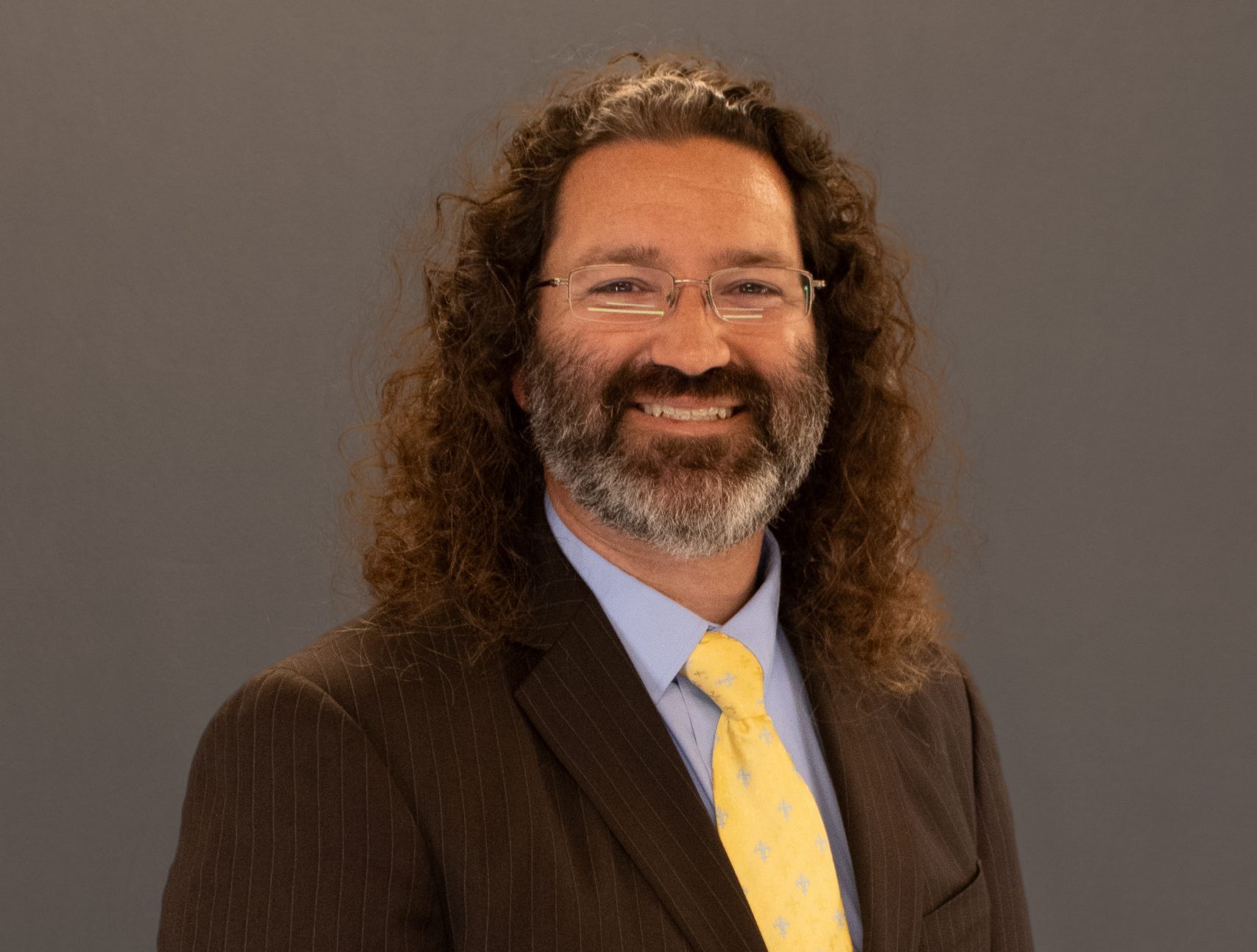
Paul Humrickhouse
Principal Nuclear Engineer, Type One Energy Group Inc.,
Paul W. Humrickhouse received his PhD in Nuclear Engineering and Engineering
Physics from the University of Wisconsin, where he specialized in the analysis of
activated dust transport following a MS focused on neutronics. He joined the Fusion
Safety Program at Idaho National Laboratory in 2009, where his research focused
primarily on the development and application of the MELCOR and TMAP codes for
safety analysis and tritium transport, the application of these in design studies including
ARIES and FNSF as well as to ITER and its Test Blanket Modules, and occasionally on
the design, execution, or analysis of tritium or aerosol transport experiments. He has
also frequently engaged in synergistic analyses of tritium and radionuclide transport in
fission reactors, including high-temperature gas-cooled and molten salt reactors. He
received a DOE FES Early Career Award in 2020, and in 2021 he joined the Fusion
Energy Division at ORNL as a Distinguished Scientist, where he led the Blanket and
Fuel Cycle group, was principal investigator of the ORNL foundational blanket R&D
portfolio, and launched the Fusion Innovation Research Engine Blanket Collaborative
on Test Facilities (FIRE-BCTF). Dr. Humrickhouse is the past chair of the American
Nuclear Society (ANS) Fusion Energy Division, and a past member of the Institute of
Electrical and Electronics Engineers (IEEE) Fusion Technology Standing Committee
(2015-2020). He was a long-time participant in Fusion Energy Sciences strategic
planning efforts, beginning in 2019-2020 as a member of the program committee for the
APS Division of Plasma Physics (APS-DPP) Community Planning Process (CPP), and
subsequently as a member of the Fusion Energy Sciences Advisory Committee
(FESAC) Long Range Planning Subcommittee. He served on FESAC from 2021-2025.
He joined Type One Energy in March of 2026 and presently leads the design of the
tritium breeding blanket for Infinity Two, Type One’s first-of-a-kind 400 MWe threeperiod stellarator fusion power plant projected to deliver power to the grid in the mid2030s.
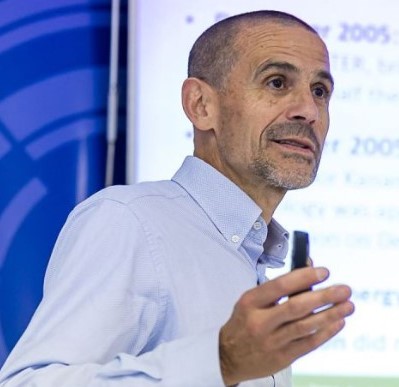
Gianfranco Federici
Programme Manager, EUROfusion
Gianfranco Federici is the Programme Manager of EUROfusion since 2025.
Formerly, he led the Fusion Technology Department and the DEMO Design Team in the EUROfusion
Consortium, where he was responsible during the last 15 years for the coordination and technical
oversight of the Design and R&D efforts in Europe aimed to the conceptual design of a DEMOnstration
Fusion Power Plant (DEMO). He has worked in the ITER Project from 1990 till 2006.
He received his Ph.D. (1989), M.Sc. (1988) in Nuclear Engineering from UCLA and his B.Sc. in Nuclear
Engineering from the Polytechnic of Milan in 1985. He has an extensive (> 35 yrs) professional
experience in fusion reactor design and fusion enabling technology developments. He has a strong
record of management (human and financial) resources and technical oversight responsibilities in
various complex, cross-functional projects and technology development environments.
He is well known for his strong scientific track record and for spearheading research in key fusion
research topics and contributing with important publications in peer-refereed scientific journals, some
of which have truly impacted the field and constitute a body of work of broad recognised value.
He is a recipient of a several awards, including the Fusion Power Associates (FPA) Leadership Award
(2019); the Outstanding Technical Accomplishment Award - ANS Fusion Energy Division (2002); the
David J. Rose Award for Excellence in Fusion Engineering - FPA (2000). Since 2008, he’s also Fellow
of the American Nuclear Society.

Livia Casali
Assistant Professor of Plasma Physics and Fusion Technology at the University of Tennessee–Knoxville
Livia Casali is a Zinkle Faculty Fellow, ITER Research Scientist Fellow, and Assistant Professor of Plasma Physics and Fusion Technology at the University of Tennessee–Knoxville. Her research addresses a central challenge for fusion energy: integrating the hot plasma core with the material edge. More recently, her work has expanded to connect plasma science with fusion neutronics and technology in support of commercial fusion energy.Casali has led innovative experiments at major fusion facilities worldwide and developed advanced modeling tools throughout her career. She received the 2025 Katherine E. Weimer Award from the American Physical Society for outstanding achievement in plasma research and exemplary leadership. In 2022, she received the U.S. Department of Energy Early Career Award and the Nuclear Regulatory Commission Faculty Development Award and was named an ITER Research Scientist Fellow. At UTK, she has developed new courses in plasma physics, fusion reactor design, and radiation shielding for fission and fusion. She has served in numerous leadership and advisory roles, including on the DOE Advisory Subcommittee for international benchmarking, as an expert for the ITER Baseline Research Plan, and as a technical expert and organizer for the U.S. Fusion Burning Plasma Roadmap. She is an executive member of the University Fusion Association and chaired the Program Committee for the 2026 International Sherwood Fusion Theory Conference. Before joining UTK, Casali was a staff scientist at General Atomics, where she worked at the DIII-D National Fusion Facility and led the core–edge integration research area. She earned her Ph.D. from the Max Planck Institute for Plasma Physics, conducting research on the ASDEX Upgrade tokamak. For her PhD work, she received the European Physical Society Poster Prize and the Pietro Blaserna Prize from the Italian Physical Society.
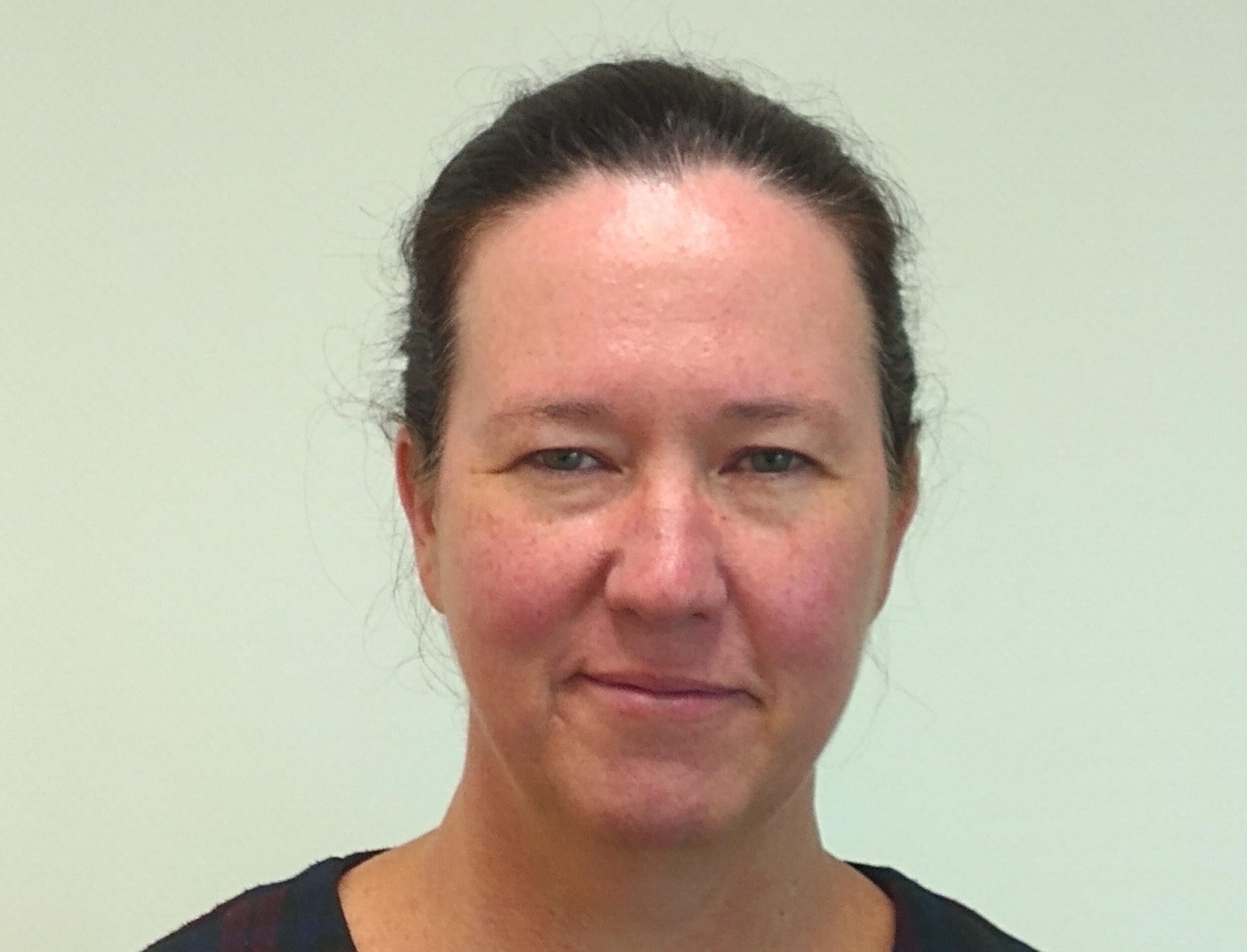
Dr. Amanda Quadling
Executive Director - Materials and Blankets Research, UKAEA
Amanda Quadling, FIMMM, CSci - Amanda is responsible for the Materials Division at the UK Atomic Energy Authority and manages the organisation’s core research grant programme (£77m). She is also Senior Responsible Owner for LIBRTI, a £220m UK Fusion Testbed Programme to deliver engineering scale tritium breeder capability to support the fusion powerplant industry. Amanda is a mineralogist with a PhD in Materials Science and Engineering. She has spent the last few decades creating and managing laboratories, incubators, commercial service divisions and Centres of Excellence focused on products and services in the energy sector and other industries. She was previously on the Technology Advisory Board of global corporate Morgan Advanced Materials and Technical Director for UK manufacturer M&I Materials. In 2021, Amanda published the UK’s first Fusion Materials Roadmap with an updated edition in 2025. She is currently a member of The Henry Royce Institute Governing Board and chairs the Nuclear Futures Institute, University of Bangor.
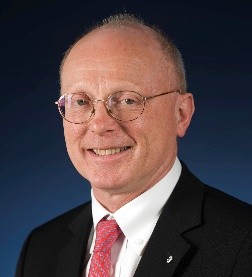
Axel Meisen
President, Fusion Energy Council of Canada
Axel currently serves as the President of the Fusion Energy Council of Canada, a not-for-profit organization dedicated to the objective furtherance of fusion energy development and uses in Canada and abroad.
As a consultant, he advises senior management in Canadian and international organizations on strategy development and implementation using foresight and other methodologies suitable for issues with long time horizons.
Axel held the inaugural Chair in Foresight at the Alberta Research Council, after serving as president of Memorial University of Newfoundland, president of the Canadian Commission for UNESCO, president of the Canadian Academy of Engineering, and Dean of Applied Science and Professor of Chemical Engineering at The University of British Columbia. He was appointed to the Order of Canada in 2008.
He has B.Sc., M.Sc., and Ph.D. degrees in Chemical Engineering from Imperial College London, California Institute of Technology, and McGill University, respectively
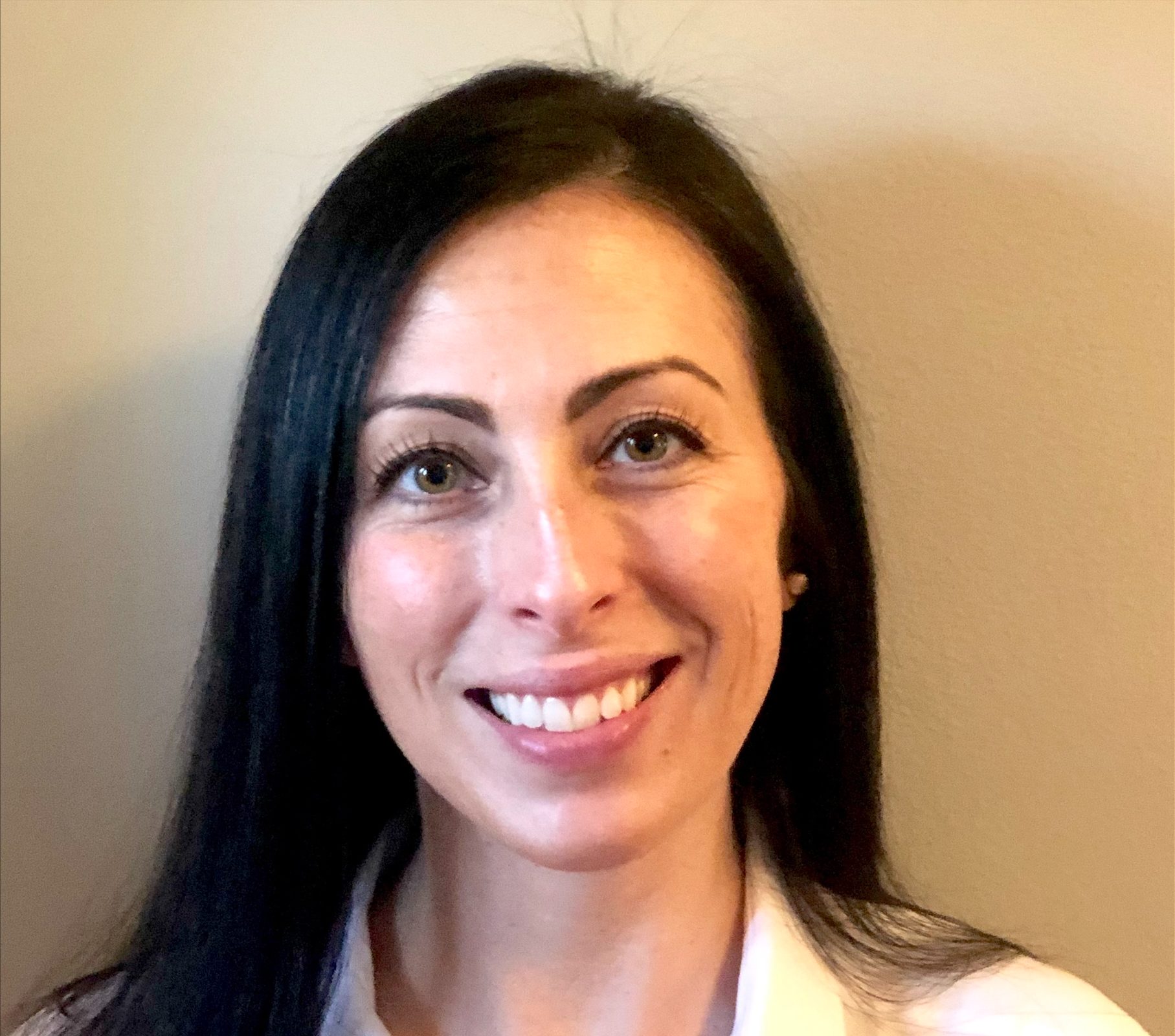
Nisa Halsey
VP, Nuclear Equipment & Tooling, Kinectrics
Nisa Hasley is Vice President of Nuclear Equipment Solutions and Inspection & Maintenance Systems at Kinectrics Inc., where she leads the expansion of Kinectrics’ nuclear‑grade engineering and manufacturing capabilities into the fusion sector. Her organization is applying decades of experience supplying qualified, high‑consequence equipment to the fission industry to meet the unique challenges of first‑of‑a‑kind fusion facilities.
A core differentiator of Kinectrics’ approach is deep expertise in tritium‑related systems, combined with the agility enabled by in‑house design, fabrication, assembly, testing, and qualification. This integrated capability allows rapid iteration while maintaining the rigor required for safety‑critical applications.
Most recently, Kinectrics was awarded a collaboration agreement to act as the equipment design and build partner for the UKAEA–Eni H3AT tritium facility, supporting one of the most advanced tritium programs in the global fusion landscape.
Nisa holds a bachelor’s degree in systems engineering from the United States Naval Academy, has 20 years in the nuclear industry, and previously served as a U.S. Nuclear Navy Surface Warfare Officer.

Michelle Leslie
Executive Advisor, Deloitte
Michelle Leslie is an Executive Advisor with 20 years of experience across nuclear policy, regulatory affairs, and stakeholder engagement, including advisory work with Deloitte. She has briefed environmental, social, and risk leaders at major U.S. banks on nuclear investment opportunities and collaborated with the international fusion community to advance a flagship global program, focusing on industrial readiness, supply chains, and execution pathways.
Michelle has represented Canada’s nuclear sector at key global forums, including speaking at the Canadian High Commission in London during Canada-UK Nuclear Day. She convened the OECD Nuclear Energy Agency and over 120 executives on SMRs for mining decarbonization and has participated in the IAEA General Conference, Climate Week NYC, and JPAC meetings.
Her work spans policy, market development, and community engagement to support nuclear deployment and investment.

Matt Cloutier
Chief Operating Operator, Fusion Fuel Cycles
Matt Cloutier is COO at Fusion Fuel Cycles (FFC), a joint venture between Kyoto Fusioneering and Canadian Nuclear Laboratories advancing fusion fuel cycle technologies. He leads corporate strategy, operations, and financing, and is driving the commercial delivery of UNITY-2, the world’s first commercially relevant fusion fuel cycle test facility. Matt brings a multidisciplinary background spanning strategy consulting, design, and skilled trades. Prior to joining KF, he advised energy and industrial clients on growth strategy, acquisitions, and integration at Deloitte. He has held operations and design roles across multiple industrial sectors and is a Red Seal-certified electrician. He holds a bachelor’s degree in engineering from the University of Calgary.

Ed Waller, PhD, PEng, CHP
Professor, Ontario Tech University
Dr. Edward Waller is a Professor in the Department of Energy and Nuclear Engineering. He is currently UNENE Ontario Tech Chair in Health Physics and Environmental Safety. Ed earned his BSc in Physics and MScE in Chemical Engineering at the University of New Brunswick (UNB), Masters in Nuclear Security from Technical University Delft (TU Delft), and his PhD in Nuclear Engineering at Rensselaer Polytechnic Institute, New York (RPI). He worked in industry for over 15 years in applied health physics, threat assessment and applications of radiation technologies. In 2003 he joined Ontario Tech U, where he teaches radiation protection, dosimetry, environmental radiation and shielding design, and performs research in areas of radiation safety, environmental radioactivity, radiation dosimetry, applied health physics, emergency response and nuclear security. Ed has worked at the International Atomic Energy Agency Incident and Emergency Centre (IAEA-IEC) and as an IAEA expert for Member State training. He was a Canadian representative to the United Nations Scientific Committee on the Effects of Atomic Radiation (UNSCEAR). Ed is a past-President of the Canadian Radiation Protection Association (CRPA).
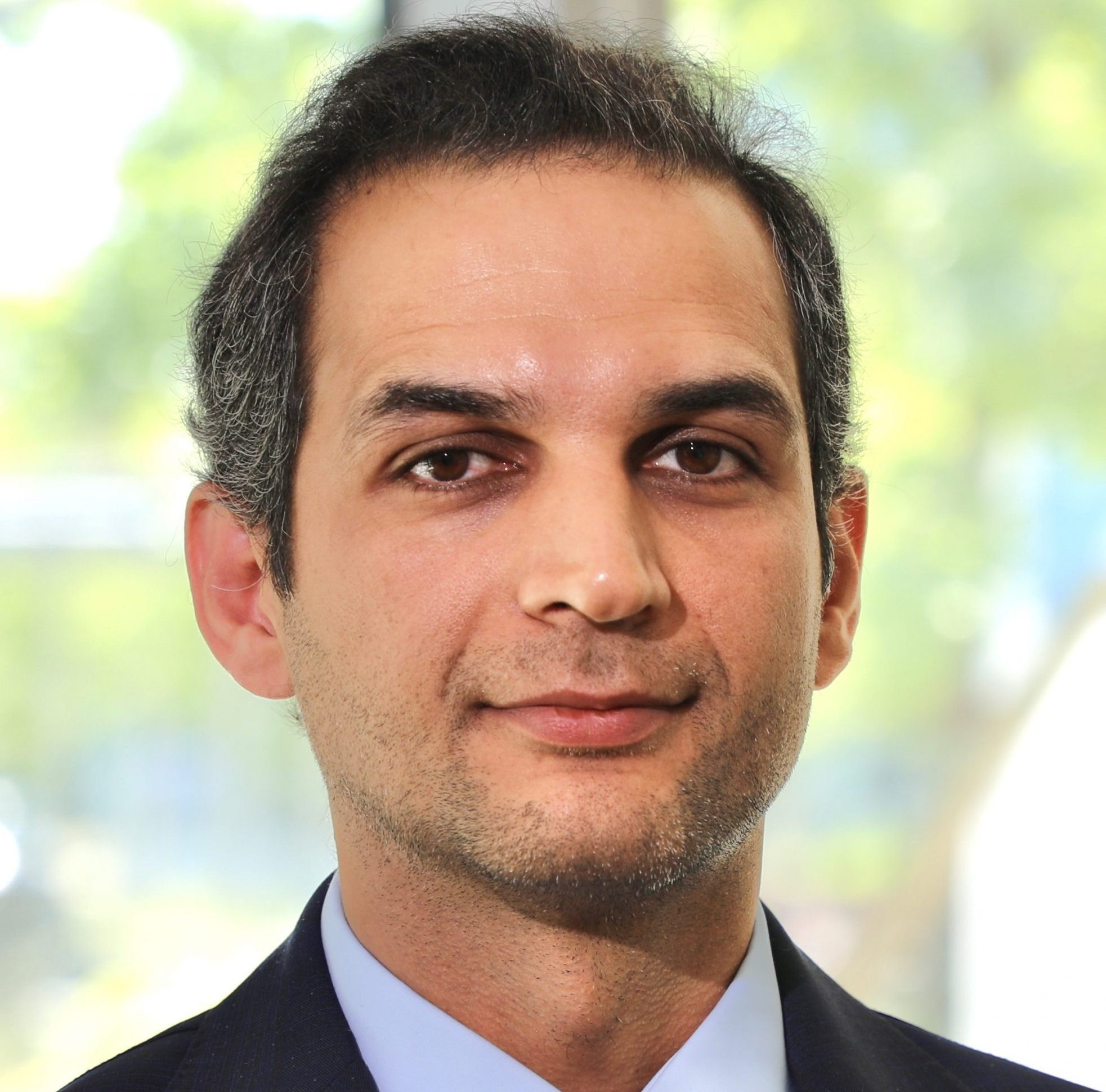
Dr. Masood Akmali
Safety & Regulation Officer, Renaissance Fusion
Masood Akmali is an R&D and safety engineering professional with 15 years of experience in the nuclear industry, with a strong background in nuclear physics and advanced reactor technologies spanning both fission and fusion. He combines multidisciplinary expertise in system engineering, safety analysis, control-command systems, requirements engineering, and dynamic system modeling, and has contributed across the full technology lifecycle, from concept development and feasibility studies to safety demonstration, verification methodologies, and engineering integration. His work has also extended to advanced energy applications including hydrogen production by electrolysis and hydraulic power projects, and the development of innovative frameworks that integrate behavioral and physical modeling into systems engineering for real-time verification of safety and operational requirements.
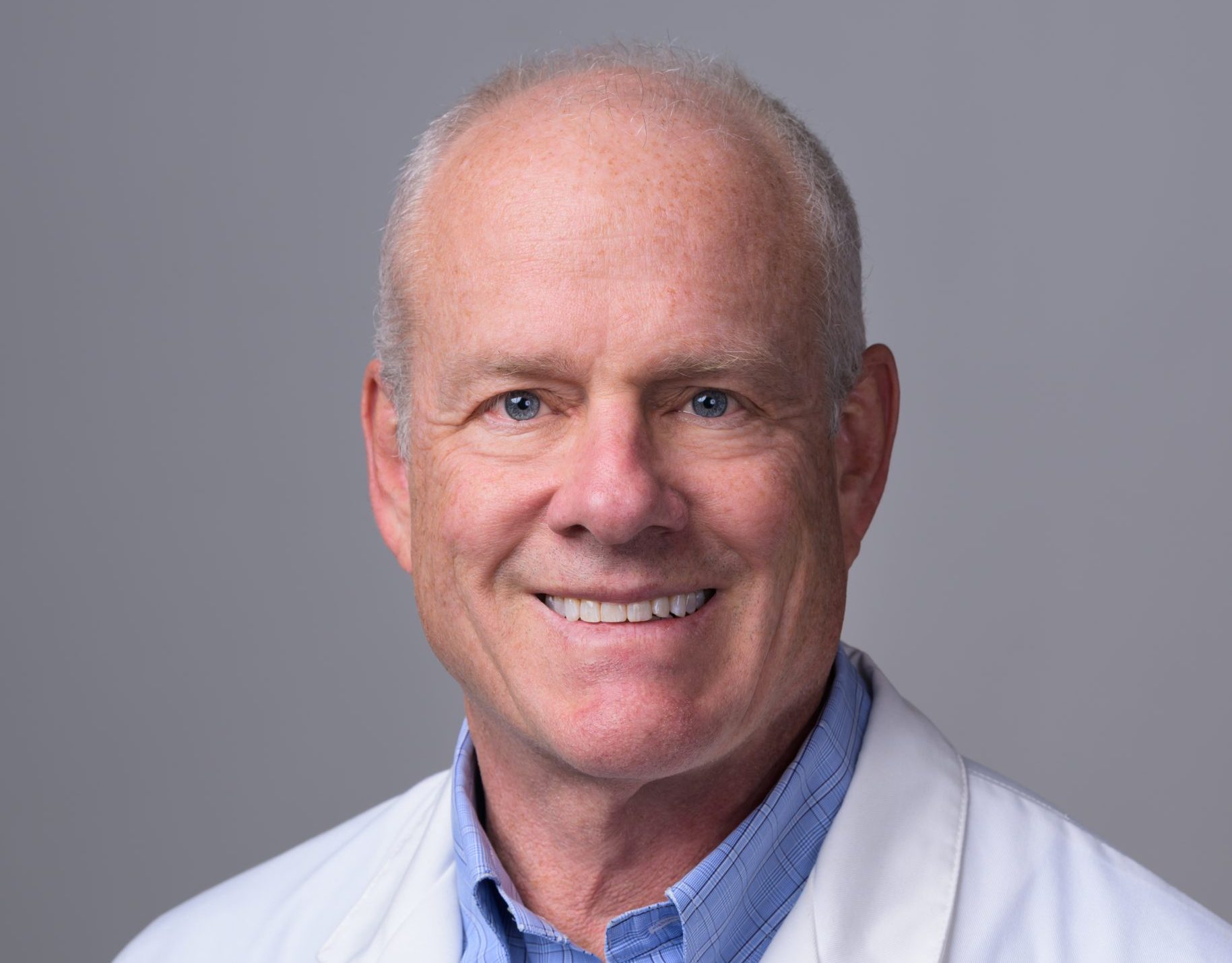
John Elling
CEO & Co-Founder, Molten Salt Solutions
John Elling is CEO and co-founder of Molten Salt Solutions, established in 2018 to develop isotopically enriched materials for next-generation nuclear and fusion technologies. He is a serial entrepreneur, having founded and led multiple tech startups, including Acoustic Cytometry Systems and Mesa Biotech, both of which were successfully acquired after commercializing technologies from Los Alamos National Laboratory.
He has also worked at Los Alamos as a Technical Staff Member and Visiting Entrepreneur, and has extensive experience in technology licensing and commercialization. John is a board member of New Mexico Angels and a general partner at Phase One Ventures. He holds a PhD in Analytical Chemistry and an MBA from the University of New Mexico, and actively mentors scientists in entrepreneurship.
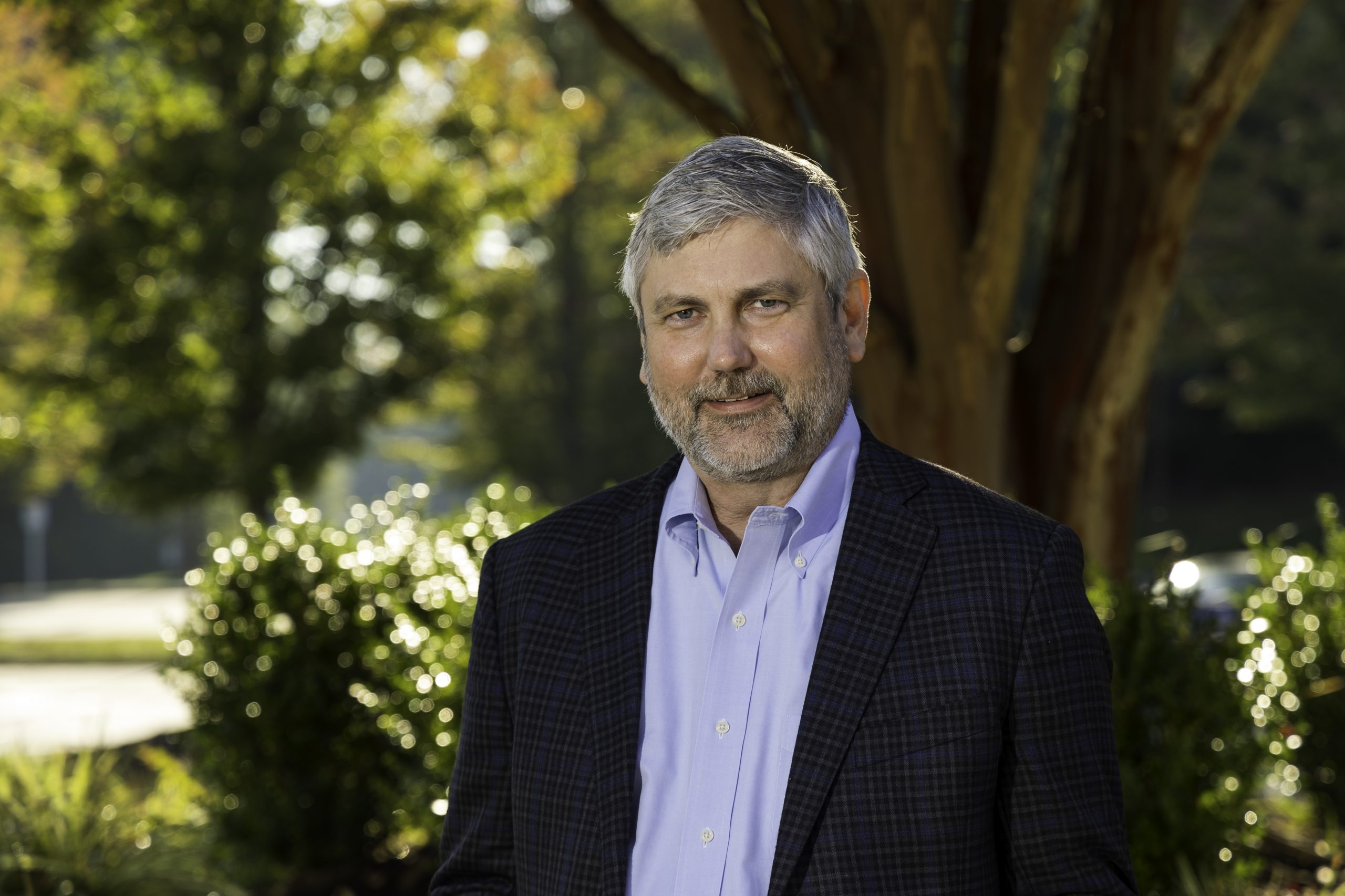
Andrew Sowder, Ph.D., CHP
Sr. Technical Executive of the Fusion Energy Strategic Program, EPRI
Andrew Sowder is a Senior Technical Executive at EPRI where he launched and leads EPRI’s strategic program on fusion. Previously, he established EPRI’s advanced reactor research portfolio and managed applied research on advanced nuclear fuel cycles and used nuclear fuel management. Prior to joining EPRI, Andrew oversaw radiological safety and security policy and Chornobyl assistance at the U.S. Department of State, investigated uranium fate and transport on the U.S. Department of Energy’s Savannah River Site, and evaluated uranium mining impacts on the Navajo Nation as a AAAS science and technology policy fellow at the U.S. Environmental Protection Agency. Andrew received a B.S. in Optics from the University of Rochester and a Ph.D. in Environmental Systems Engineering from Clemson University. He is a Certified Health Physicist and serves on the American Nuclear Society’s Standards Board.

Beth Shelton
Director, Tennessee Division of Radiological Health
Beth Shelton is the Director of the Tennessee Division of Radiological Health, where she leads the state's radiation protection and regulatory programs. With more than 26 years of service to Tennessee, she has held a variety of technical and leadership roles in radioactive materials licensing, inspection, compliance, and regulatory development, providing extensive expertise in radiation safety and oversight.
Nationally, Beth has served in several leadership roles with the Organization of Agreement States (OAS), including two terms as Treasurer, and currently serves as Past Chair.
A recognized leader in emerging nuclear technologies, Beth advised the Tennessee Nuclear Energy Advisory Council and serves on the Tennessee Nuclear Network's Advocacy, Policy & Regulatory Affairs Committee. She regularly represents Tennessee and OAS at national and international conferences, speaking on fusion energy, radiation safety, and regulatory innovation. She is committed to advancing clean energy through collaboration with government, regulators, and industry.
Beth earned a Bachelor of Science in Biology and Chemistry and a Master of Professional Studies in Strategic Leadership from Middle Tennessee State University. She also holds Lean Management certification and is active in OAS, the Conference of Radiation Control Program Directors, the American Nuclear Society, and the Health Physics Society.
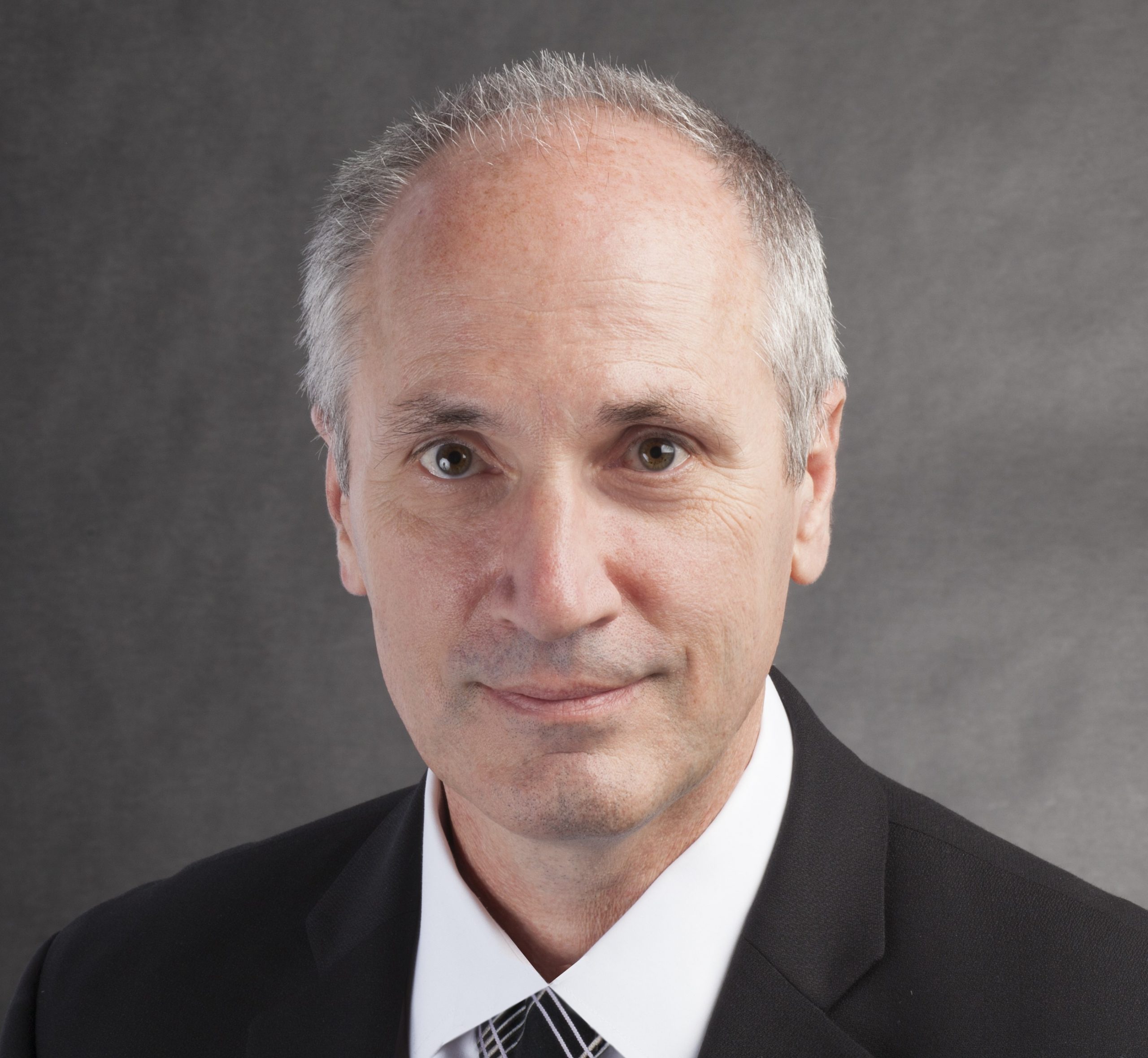
Duncan White
Advanced Nuclear Fellow, Tennessee Division of Radiological Health
Duncan White currently serves as the Advanced Nuclear Fellow for Tennessee’s Division of Radiological Health. He previously spent nine years with New Jersey’s Radiation Protection Program and more than 34 years with the U.S. Nuclear Regulatory Commission (NRC) in a range of technical, supervisory, and advisory roles. Mr. White contributed to the development of multiple NRC byproduct and source material regulations and guidance documents governing the safe and secure use of radioactive materials. From 2021 to December 2025, he was instrumental in the NRC’s evaluation of options for fusion machine oversight and then served as the technical lead for the development of the regulatory framework for fusion machines. Duncan is a certified health physicist and participates on American Society of Mechanical Engineers committees developing standards for fusion machine components.

Hawkins DeFrance, PharmD, ANP
Director of Regulatory Affairs & Safety, Avalanche Energy
Hawkins DeFrance is the Director of Regulatory Affairs & Safety at Avalanche Energy, where he serves as the Corporate Radiation Safety Officer and leads the company’s Regulatory Affairs, Safety, and Licensing functions. In this role, he oversees efforts to ensure the safe, compliant, and responsible operation of advanced fusion technologies.
With more than 20 years of experience spanning nuclear pharmacy, radiopharmaceutical manufacturing, particle accelerator operations, and regulatory compliance, Hawkins brings deep technical and regulatory expertise to the fusion industry. He currently serves as Chair of the Fusion Industry Association’s Regulatory Committee.
Hawkins previously served as Chair of the Washington State Pharmacy Commission and Chair of District 7 for the National Association of Boards of Pharmacy. He is also an advisor to the Columbia Basin College Nuclear Technology Committee and an assistant coach for Tahoma High School’s robotics program.
He earned a Doctor of Pharmacy (PharmD) from the University of Washington School of Pharmacy and a Bachelor of Science in Biochemistry and Cellular & Molecular Biology from Western Washington University.

Dr. Philipp Sauter
Research Group Leader, University of Würzburg/Max-Planck-Institute for International Law
Dr. Philipp Sauter is the Research Group Leader of the Junior Research Group on Legal Questions of Fusion Energy at the University of Würzburg as well as a Senior Research Fellow at the Max-Planck-Institute for International Law in Heidelberg, Germany. Being a lawyer and a physicist with many years of experience in conducting rearch on fusion energy and its legal framework, he is a leading expert legal questions regarding fusion energy and and advisor to the German Government for regulating fusion energy.

Daniel Clark
Sr. Director Nuclear & Fuel Cycle Engineering, Type One Energy Group, Inc.
Daniel Clark is the Senior Director of Nuclear & Fuel Cycle Engineering at Type One Energy Group where he manages the design of several critical systems, including the tritium breeder blanket, first wall, fueling system, and tritium plant. He also overseas several cross-cutting activities, namely radiation transport and the in-vessel materials R&D program. He has a background in nuclear engineering with a specialization in materials development for nuclear systems.
Before his tenure at Type One, he dedicated eight years to the U.S. Department of Energy’s Fusion Energy Science Program where he managed the Fusion Materials Research Portfolio. Notable achievements during that time include initiation of the Material Plasma Exposure eXperiment (MPEX) project at Oak Ridge National Laboratory, establishment of the first public-private partnership program in the Office of Science known as the Innovation Network for Fusion Energy (INFUSE), and leadership of the Fusion Prototypic Neutron Source (FPNS) initiative.
He holds both a B.S and M.S. in Nuclear Engineering, from Texas A&M University and the University of Tennessee respectively.

Dr. Tim Graening
Fusion Materials Research Staff Scientist, Oak Ridge National Laboratory
Dr. Tim Graening is a Staff Research Scientist at Oak Ridge National Laboratory (ORNL), where he leads and contributes to research on advanced structural materials for fusion and fission energy systems. He earned his Doctor of Engineering in Materials Science from Karlsruhe Institute of Technology in 2017, focusing on oxide-dispersion-strengthened steels for fusion applications. His research spans ferritic-martensitic steels, tungsten, vanadium alloys, alumina-forming austenitic steels, advanced coatings, and additive manufacturing for extreme environments. At ORNL, Dr. Graening serves as principal investigator and technical lead on multiple fusion materials programs, including projects supported by ARPA-E that address materials challenges for first wall and divertor applications, accelerated materials discovery, and advanced manufacturing solutions for future fusion power plants. He also leads international collaborations investigating radiation effects and transmutation-induced degradation in fusion-relevant materials, with a focus on developing materials capable of withstanding the demanding neutron, thermal, and corrosive environments expected in commercial fusion reactors. His work bridges fundamental materials science, qualification pathways, and industry partnerships to accelerate the deployment of fusion energy.
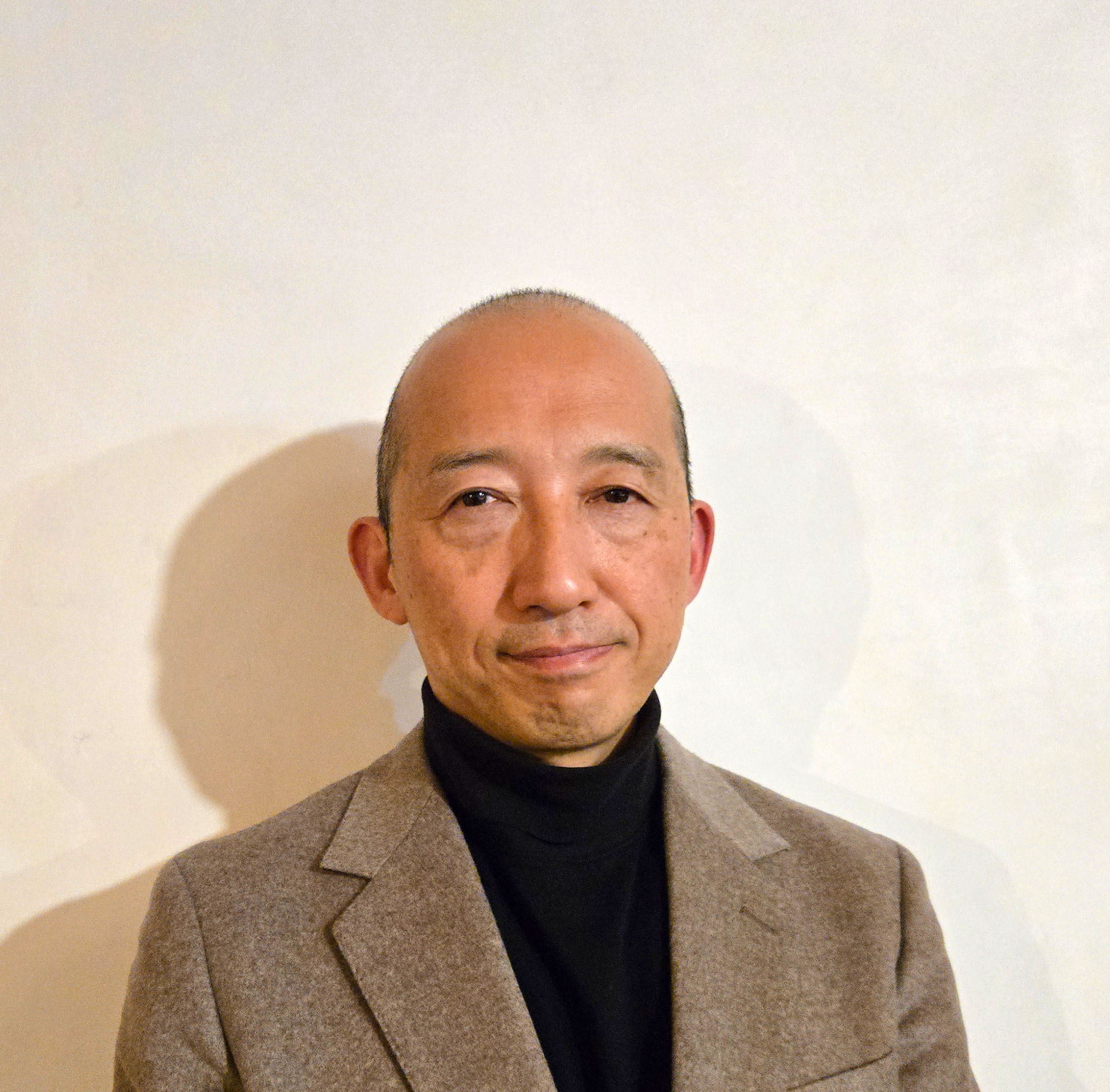
Dr. Tanigawa Hiroyasu
Department of Blanket Systems Research, Rokkasho institute for Fusion Energy, National Institutes for Quantum Science and Technology
Hiroyasu Tanigawa has been the Group Leader of the Fusion Structural Materials Development Group in the Fusion Energy Research and Development Directorate at the National Institutes for Quantum Science and Technology (QST) since 2005, and has served as Deputy Director of Department of Blanket Systems Research since 2020.
He received degrees from the University of Tokyo (M.S. in Materials Science) and Kyoto University (Ph.D. in Nuclear Engineering), and started his career as a postdoctoral researcher at the Japan Atomic Energy Research Institute (JAERI) in 1998.
He has been dedicated to the development and characterization of the reduced-activation ferritic/martensitic steel F82H for fusion-reactor in-vessel components and has studied the effects of neutron and high-energy particle irradiation on metals, with a particular emphasis on irradiation-induced changes in material properties and microstructures, as well as the influence of helium on irradiation damage.
Over the past five years, he has expanded his research activities to the development of breeding blankets and design criteria for DEMO fusion-reactor in-vessel components. From 2021 to 2025, he contributed to the ITER Test Blanket Module (TBM) Project as the representative of Japan. Since 2023, he has been serving as Technical Research Officer for breeding blanket development in the DEMO Design Activity (DDA).

Omar Afify
UKAEA
Omar Afify is a safety engineering leader with extensive experience in safety case development and high‑hazard risk management across fusion, oil & gas, and complex industrial environments. As Head of Safety Case at the UK Atomic Energy Authority, he provides strategic direction and technical authority on regulatory compliance, hazard management and organisational safety capability. Omar has delivered safety case strategies and major hazard assessments for global projects, led multidisciplinary teams through continuous improvement, and facilitated the technical delivery of complex safety case programmes such as JET, STEP and other high hazard facilities across multiple UKAEA sites

Nadia Petseva
Director of the Accelerators and Class II Facilities Division, Canadian Nuclear Safety Commission
Nadia Petseva is the Director of the Accelerators and Class II Facilities Division at the Canadian Nuclear Safety Commission (CNSC), where she leads the regulatory oversight of more than 250 licences, including Class I accelerators and Class II facilities and equipment. Designated by the Commission to exercise its statutory power of decision for Class II facilities and equipment, she plays a key leadership role in ensuring the safe and secure use of these technologies in Canada.
Since joining the CNSC in 2008, Nadia has filled several leadership positions, including Director of the Waste and Decommissioning Division and Director of the International Safeguards Division. She brings extensive experience in nuclear regulation, non-proliferation, safeguards, and international engagement.
In addition, Nadia leads the CNSC’s fusion regulatory readiness activities, fostering collaboration with international regulators and engaging with Canada’s growing fusion community to support the development of an effective, risk-informed regulatory framework for fusion technologies.
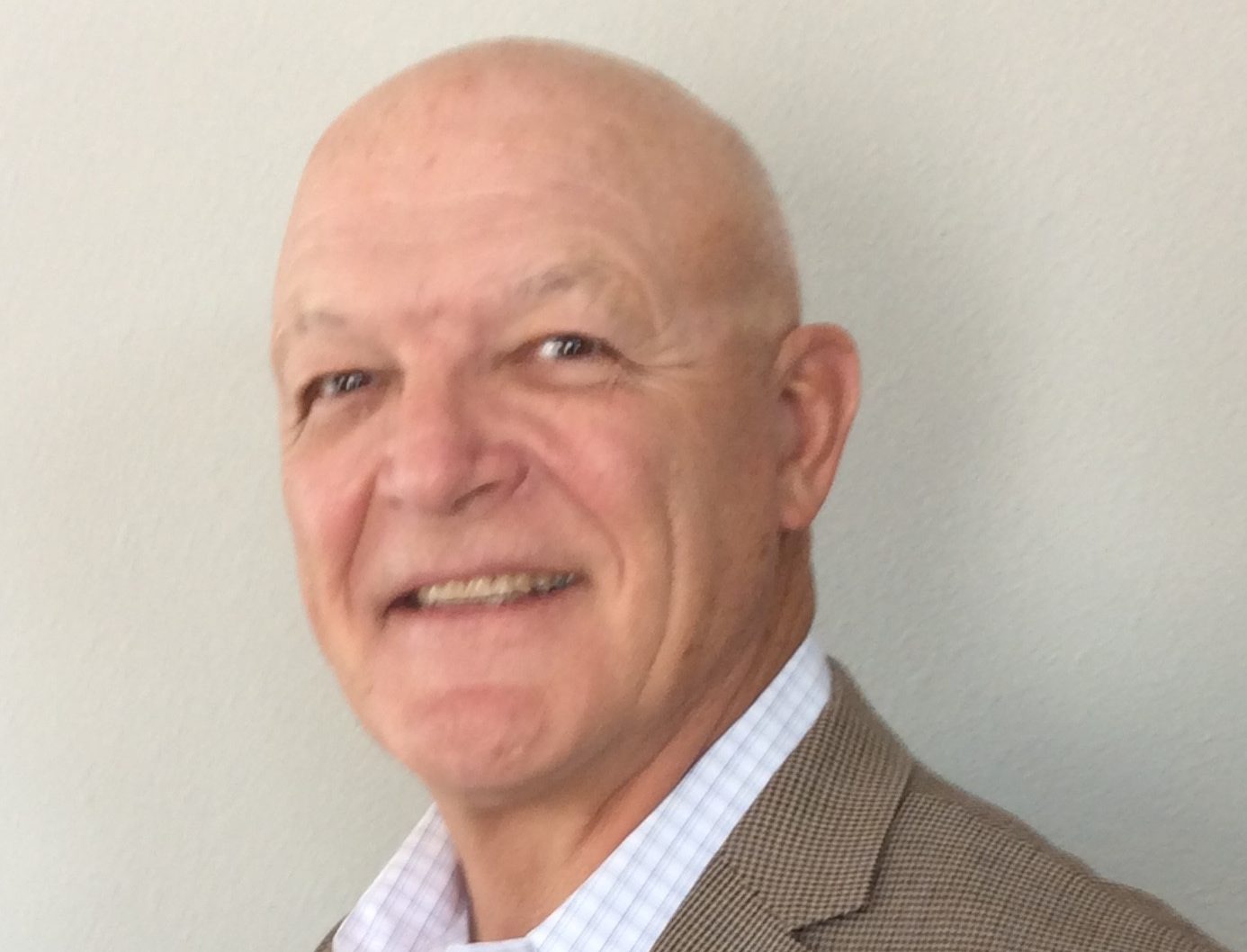
Leon L. Robert Jr.
Professor of Engineering Practice, Davidson School of Chemical Engineering, Purdue University
Dr. Robert holds a primary faculty appointment at the Davidson School of Chemical
Engineering and a secondary faculty appointment in the Department of Entomology at Purdue
University. His diverse and distinguished career brings a wealth of knowledge and experiences
to his Professor of Practice appointments.
He had a distinguished 30+ year career in the U.S. Army with international experience in over
62 countries. His is a Professor Emeritus, United States Military Academy, where he retired as
Professor and Head, Department of Chemistry, Life Science and Chemical Engineering. He
taught a variety of courses to include general chemistry, advanced general chemistry, and
leadership studies for many years.
He has authored over forty multidisciplinary peer-reviewed publications, numerous technical
publications, book chapters, and was awarded two U. S. patents. He currently teaches
Introduction to the oil and gas industry and petroleum engineering. His current research focuses
on emerging oil and gas technologies, novel organic conductive polymer neutron detection
methods, and fusion energy supply chain challenges.
His many awards and honors include the U.S. Army Distinguished Service Medal, the St.
Lawrence Academy Medal for distinguished and exceptional contributions in education, SUNY
Potsdam, and serving as the Vice Dean of the National Military Academy of Afghanistan in
Kabul.
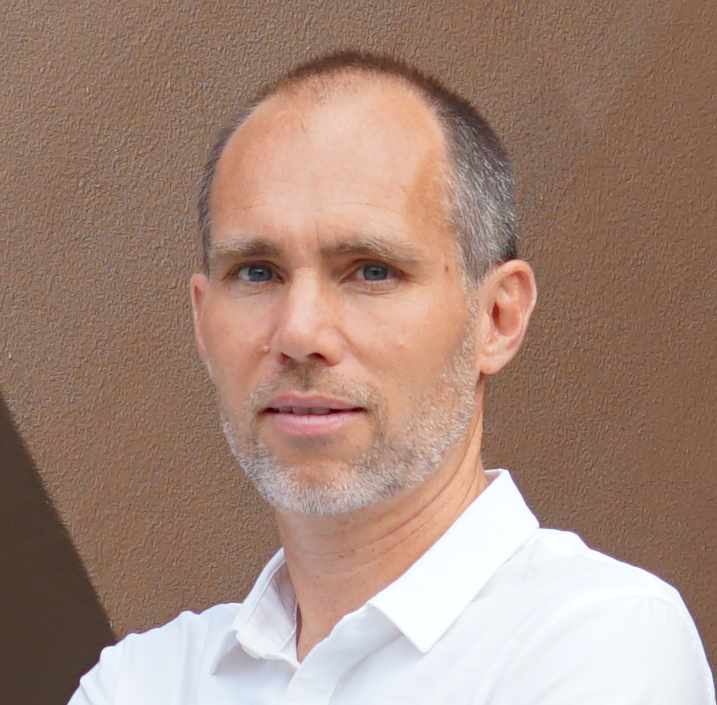
Christian Bachmann
Chief Engineer - Volumetric Neutron Source, EUROfusion
Christian has 20 years of experience in the engineering and design integration of nuclear fusion facilities. After working in the ITER Design Integration Team, he led the design integration of the European DEMO fusion power plant for approximately ten years. More recently, as Chief Engineer of the Volumetric Neutron Source (VNS), he led the engineering team and, together with the EUROfusion physics group, developed a machine concept that addresses the key challenges of a fusion nuclear device. These include a reliable plasma scenario with a power exhaust concept, effective neutron shielding, integration and remote maintenance concepts of the actively cooled in-vessel components through the small access ports, the control of contamination, and others. This work has established the VNS as a strong candidate for a near-term plasma-based neutron source capable of testing fusion nuclear components and demonstrating the operation of a fusion nuclear plant.
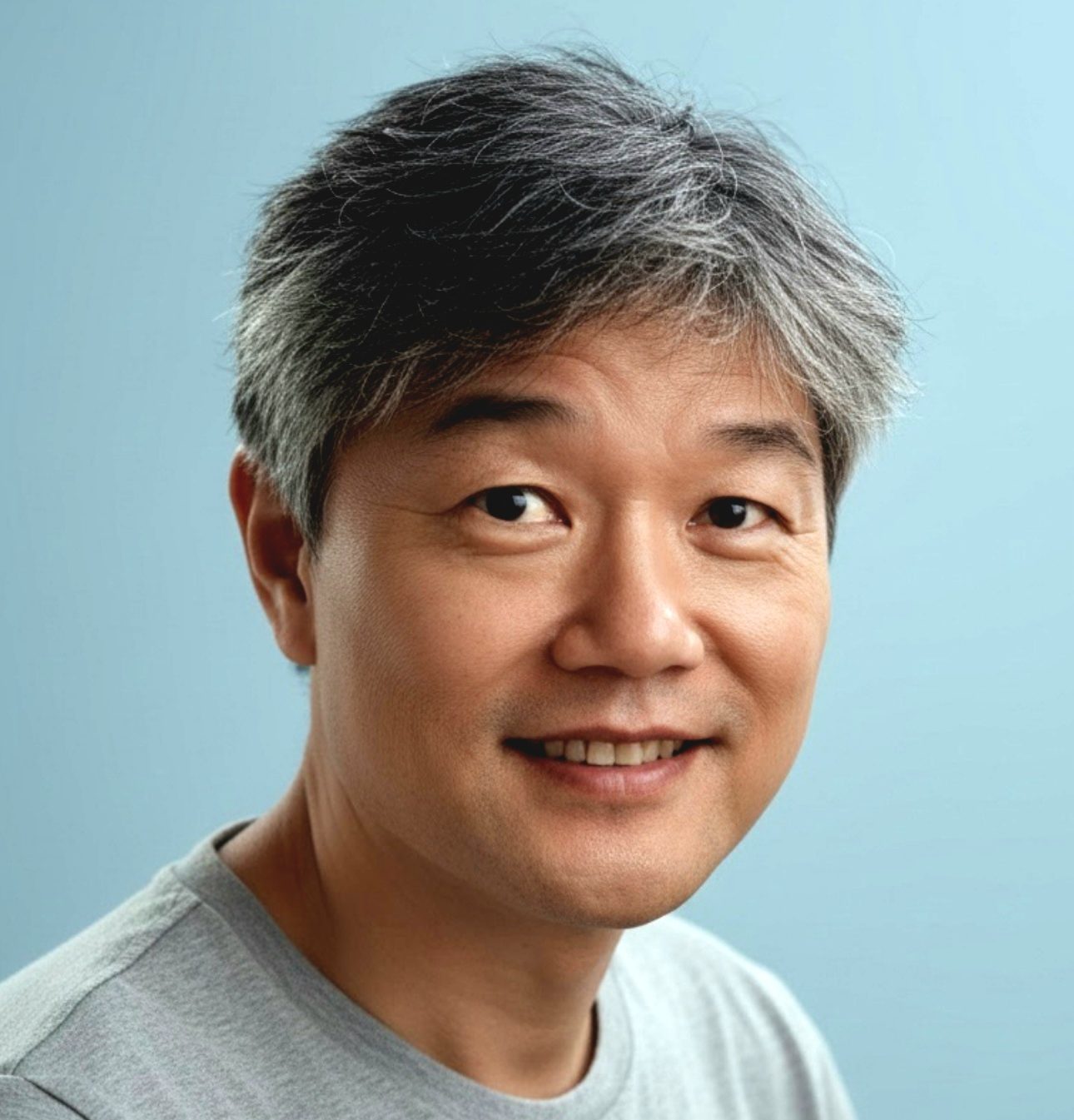
Yi-Hyun Park
Leader of Fusion Materials Group, Korea Institute of Fusion Energy (KFE)
Dr. Yi-Hyun Park leads the Fusion Materials Group at the Korea Institute of Fusion Energy (KFE). He
received his Ph.D. in Energy Science from Kyoto University in 2007, specializing in silicon carbide
ceramics and composites for fusion energy applications. Since joining KFE in 2010, he has played a
leading role in materials development for fusion energy program in Korea. His primary research
interests include ARAA (Advanced Reduced Activation Alloy), a Korean reduced-activation
ferritic/martensitic steel developed for structural material in in-vessel components, and tritium
breeder ceramics used as functional materials in breeding blankets for fusion energy devices. He
currently leads the codification program for ARAA. One of the key achievements was the
incorporation of ARAA into the 2025 edition of RCC-MRx, making it the second reduced-activation
ferritic/martensitic steel worldwide to be included in the code. He is also establishing a
comprehensive materials database for ARAA to support future revisions of RCC-MRx and provide
the technical basis for its future codification under relevant ASME code and standard.

Sarah Donaher
Assistant Professor, University of Tennessee Knoxville
Dr. Sarah Donaher is an assistant professor at the University of Tennessee Knoxville (UTK) in the Departments of Civil and Environmental Engineering and Nuclear Engineering. Her research focuses on the behavior and impacts of radioactivity in ecosystems to ensure the protection of people and the environment in an evolving nuclear sector. Donaher graduated with her PhD in Environmental Engineering and Earth Sciences from Clemson University and her MS in Marine Science from the University of North Carolina at Chapel Hill. She is a member of the National Council on Radiation Protection and Measurements (NCRP) Program Area 5 “Environmental Radiation and Radioactive Waste Issues” and the International Commission on Radiological Protection (ICRP) Task Group 125 “Ecosystem Services in Environmental Radiological Protection.” She also serves as a member on the American Nuclear Society Decommissioning and Environmental Sciences Division (DESD) Executive Committee. Her work at UTK emphasizes interdisciplinary problem-solving and training the next generation of nuclear scientists and engineers through hands-on research experiences.
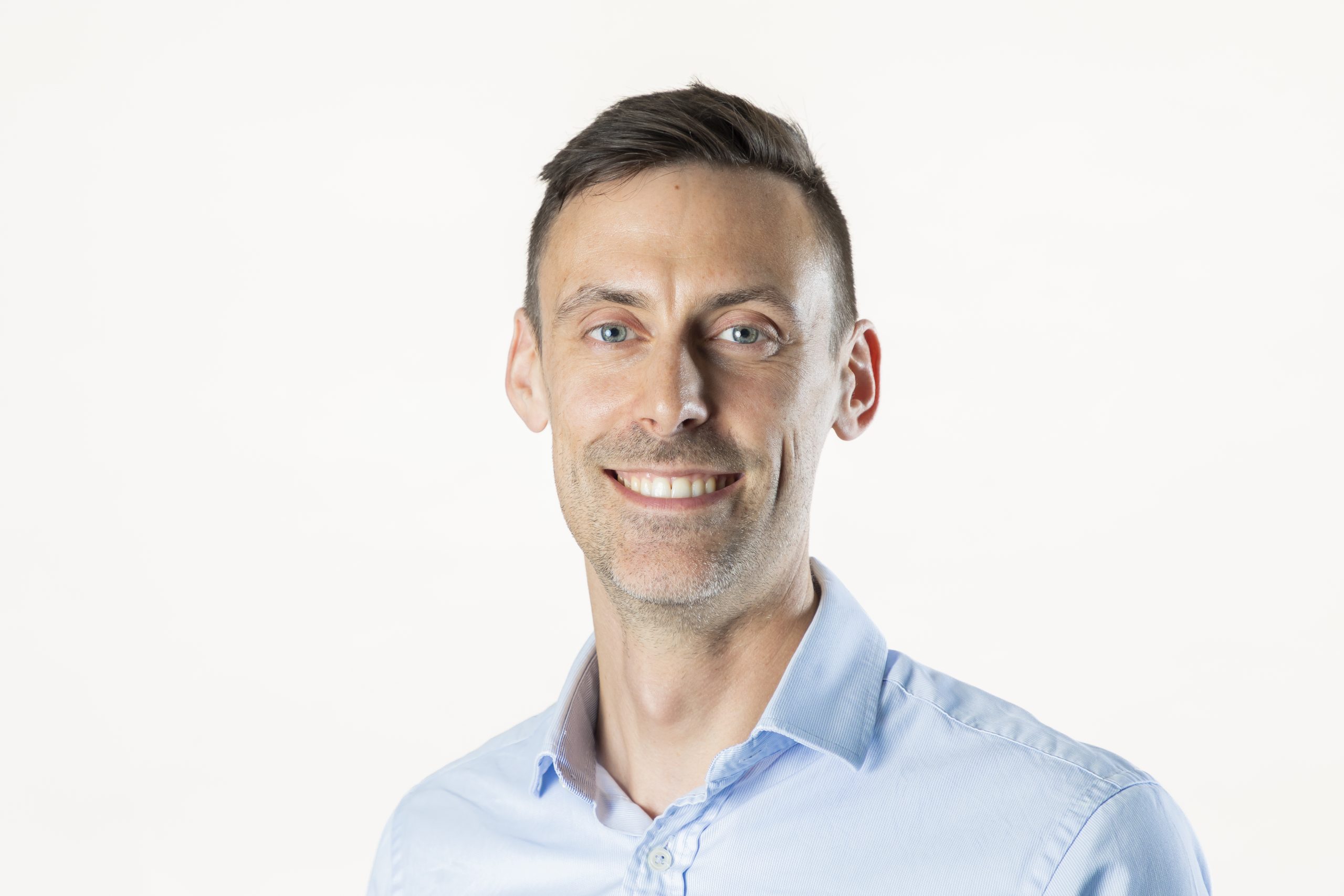
Johnny Stephenson
Senior Business Development Manager, UK Atomic Energy Authority
Johnny Stephenson is a Senior Business Development Manager at the UK Atomic Energy Authority (UKAEA), where he works across plasma physics, engineering, and technology programmes to develop strategic partnerships that support the commercialisation of fusion energy. In his role, he collaborates with private fusion developers, research organisations, and industrial partners worldwide to promote UKAEA's capabilities and help accelerate the pathway to commercially viable fusion power. Having joined UKAEA in 2018, Johnny has built extensive experience in fostering public-private collaborations that maximise the scientific, economic, and societal benefits of fusion research and development. His work spans engagement with leading fusion programmes and facilities, including close collaboration with teams associated with JET and the MAST Upgrade tokamak, as well as a broad range of international partners. Prior to and throughout his time at UKAEA, Johnny has developed a strong background in nuclear research and advanced manufacturing. He is particularly interested in creating partnerships that bridge the gap between research, industry, and commercial deployment, enabling innovation and supporting the growth of the global fusion ecosystem
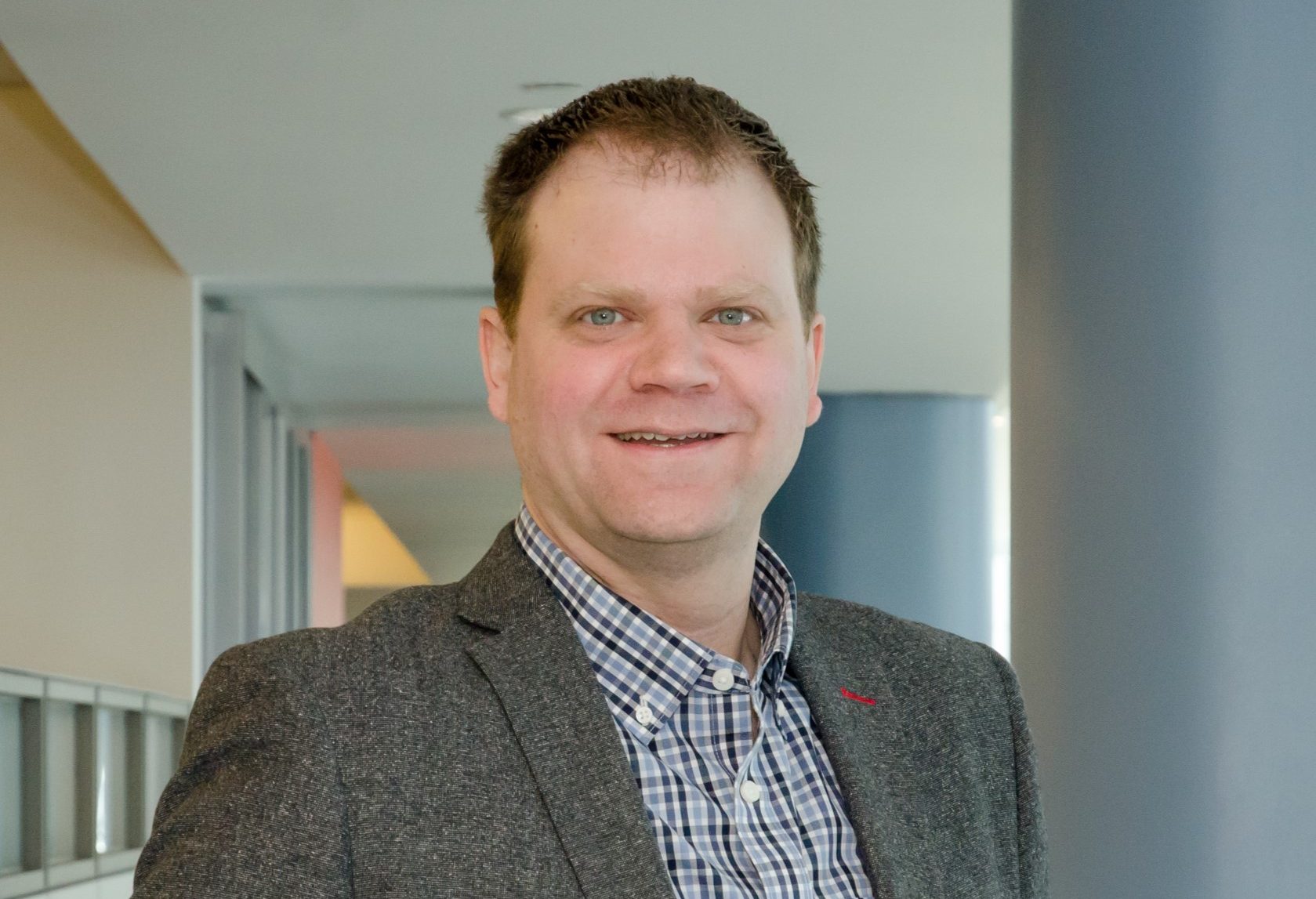
Nathan Tedford
Director of Nuclear Technologies, Hatch
Nathan Tedford is Director, Nuclear Technologies at Hatch, where he leads strategic and technical initiatives across advanced nuclear, fusion energy, and large-scale energy infrastructure projects. With more than 18 years of experience spanning nuclear engineering, project development, and technology commercialization, he has supported utilities, developers, governments, and investors in the deployment of next-generation energy systems. Nathan's experience includes advanced reactor and fusion project development, owner's engineering, licensing and regulatory strategy, project delivery models, and first-of-a-kind technology deployment. He has worked extensively with established nuclear operators, emerging reactor developers, mining and industrial companies, and research organizations to evaluate and deliver complex energy solutions. Prior to his current role, he led engineering and project management activities supporting major nuclear refurbishment and modification programs, as well as research initiatives in thermal-hydraulics and power system analysis. At Hatch, Nathan focuses on the practical integration of fusion technologies into future energy markets, helping bridge the gap between scientific innovation, project execution, and commercial deployment.

Matthew Whittington
Director, Government Relations, General Fusion
Matthew is the Director of Government Relations at General Fusion, where he leads the company’s engagement with governments, policymakers, and stakeholders across Canada. His work is focused on advancing the policy, regulatory, and government partnership frameworks needed to support the commercialization and deployment of fusion energy in Canada.
Matthew brings more than a decade of experience at the intersection of government, public policy, and energy. He previously held senior roles with the Government of Canada and the Government of Ontario, advising on major files spanning nuclear energy, electricity system planning, clean energy development, major infrastructure projects, and natural resources policy.
Before joining General Fusion, Matthew worked as an independent government affairs and policy consultant, supporting organizations across the natural resources, energy, and technology sectors.

Lori Walters
Technical Manager, Canadian Nuclear Laboratories
Lori is a Technical Manager at Canadian Nuclear Laboratories and during her career has provided technical, programmatic and strategic leadership on CANDU reactor technologies, research reactors, GENIV systems and recently has a focus on microreactors. Lori’s established areas of technical expertise include irradiation deformation and damage of in‑core materials, materials performance, and in-core testing.
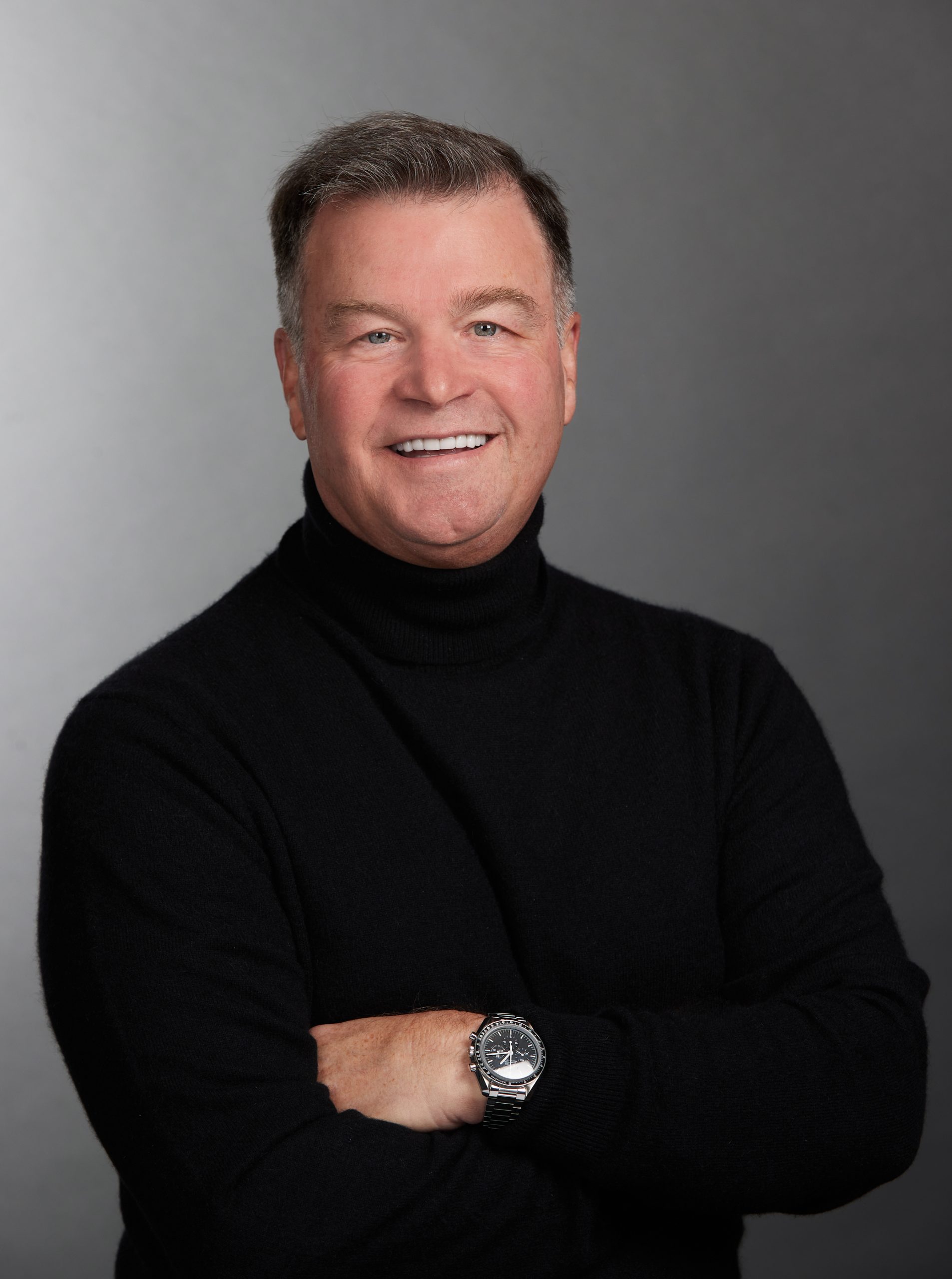
Jay Brister
Managing Director, Blue Sky Nuclear Consultant, Clean Air Task Force
With more than 45 years of global nuclear power industry experience, Jay Brister is a consultant
supporting the Clean Air Task Force, an NGO focused driving change forward through policy and
innovation. He has been representing CATF in the development of Codes and Standards for fusion for
the last two years. He is leading CATF’s new International Working Group on Codes and Standards for
Fusion. He also is currently a member of the ASME BPVC Section III Division 4 Special Working Group for
Fusion Stakeholders, a member of ISO/TC 85/AHG 2 "Advisory group on fusion technology", a program
committee member for the November 2025 IAEA meeting in Vienna on Codes and Standards for Fusion,
and the chair of the Fusion Industry Association Codes and Standards committee. His engagement in
this effort has included interactions with organizations globally such as Fusion for Energy, EUROFusion,
ITER, IAEA, UKAEA, JSME and numerous private fusion companies.
Mr. Brister’s work in the nuclear energy sector includes Chief Business Development Officer roles with
Small Modular Reactor and Fusion technology companies, a Prefeasibility Study for Nuclear Power for
the Energy Market Authority in Singapore and several years in Abu Dhabi working on the Emirates
Nuclear Energy Corporation’s nuclear new build program. He has held various management roles at
multiple nuclear power plants in the United States as well as new nuclear development consulting roles
in the UK, Poland, UAE, Canada, and South Korea. He has been involved in more than twenty nuclear
power plant and corporate acquisition opportunities, multiple nuclear new build programs and has
successfully concluded $25 Billion (USD) in nuclear focused transactions.
He is a former board member of the Fusion Industry Association (2022-2023), and a former member of
the Civilian Nuclear Trade Advisory Committee to the US Secretary of Commerce (2019-2020). Mr.
Brister has a B.S. degree in Nuclear Engineering Technology from Thomas Edison State University in
Trenton, New Jersey and is a former US NRC licensed nuclear operator at Grand Gulf Nuclear Station.